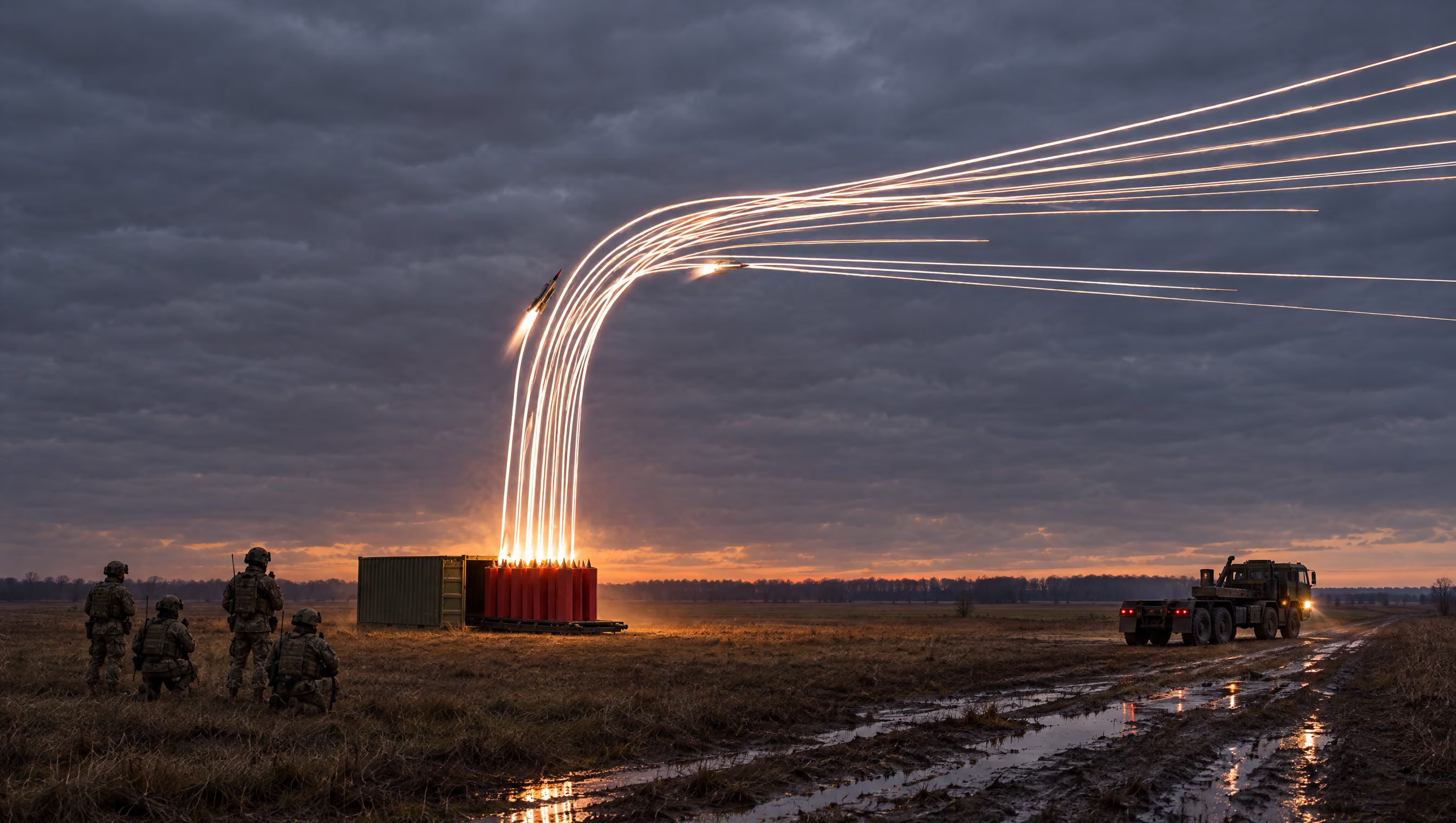
Bee-MX hexagonal effector in flight
Cretus / Technology / Platform 01
Bee-MX · Containerized Strike System

A missile shaped to the space it ships in.

Bee-MX is a hexagonal-section missile designed from the container inward. The same six facets that let the airframe tessellate inside an ISO magazine serve as its guide rails on launch, so magazine depth stops being a function of bespoke cells and becomes a function of floor area.

150+miRange
Mach 3Cruise speed
25,000ftMax altitude
8ftAirframe height
36/ <60 sUnits per container
Concept Film

See it deploy, end to end.

Forty seconds: shipping container, emplacement, salvo, cruise.

Bee-MX / Concept Film Concept Render

Animated concept sequence. Not test footage, and not a depiction of qualified hardware or demonstrated performance.

01 · Airframe

Two configurations,
one airframe.

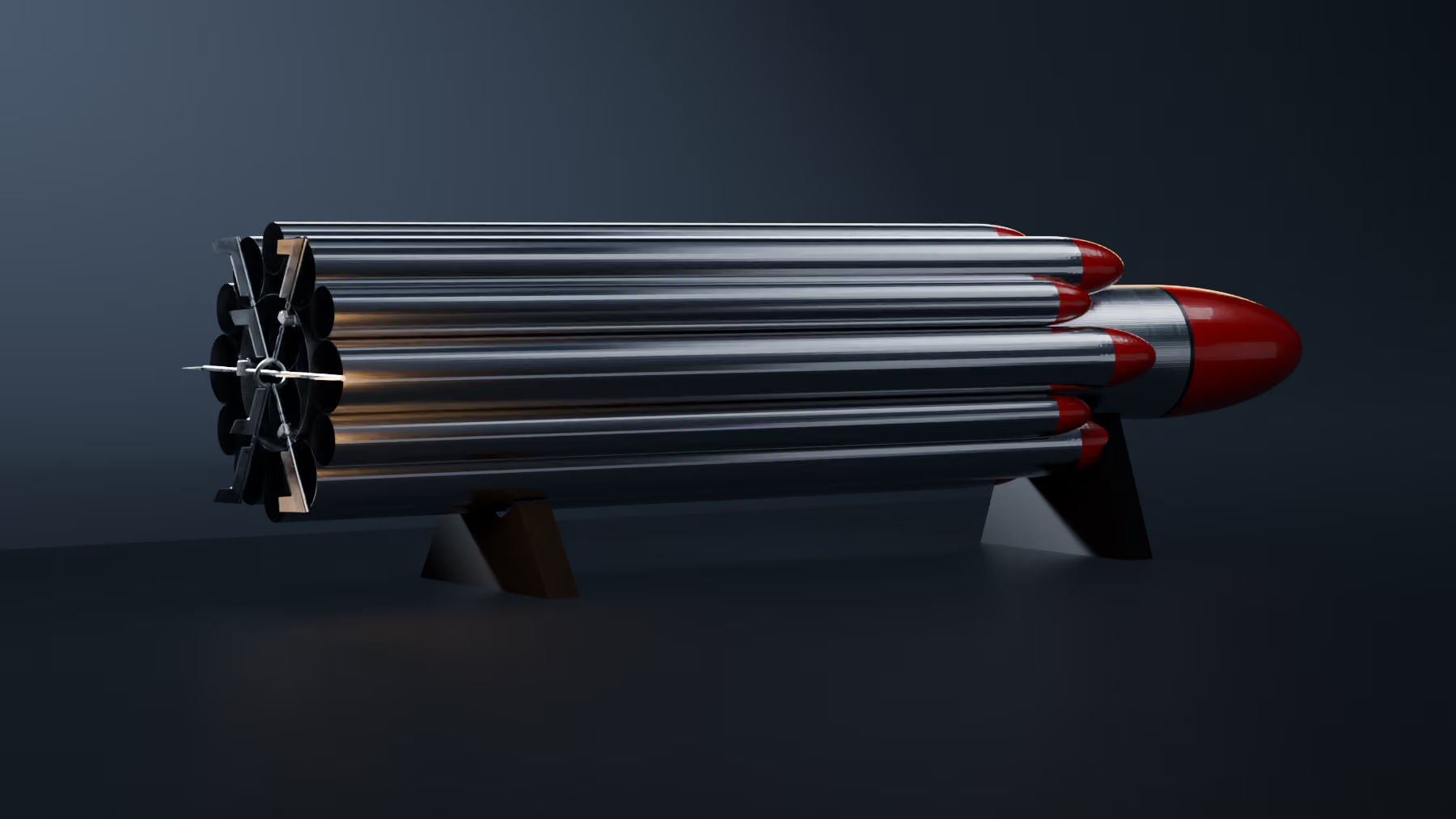
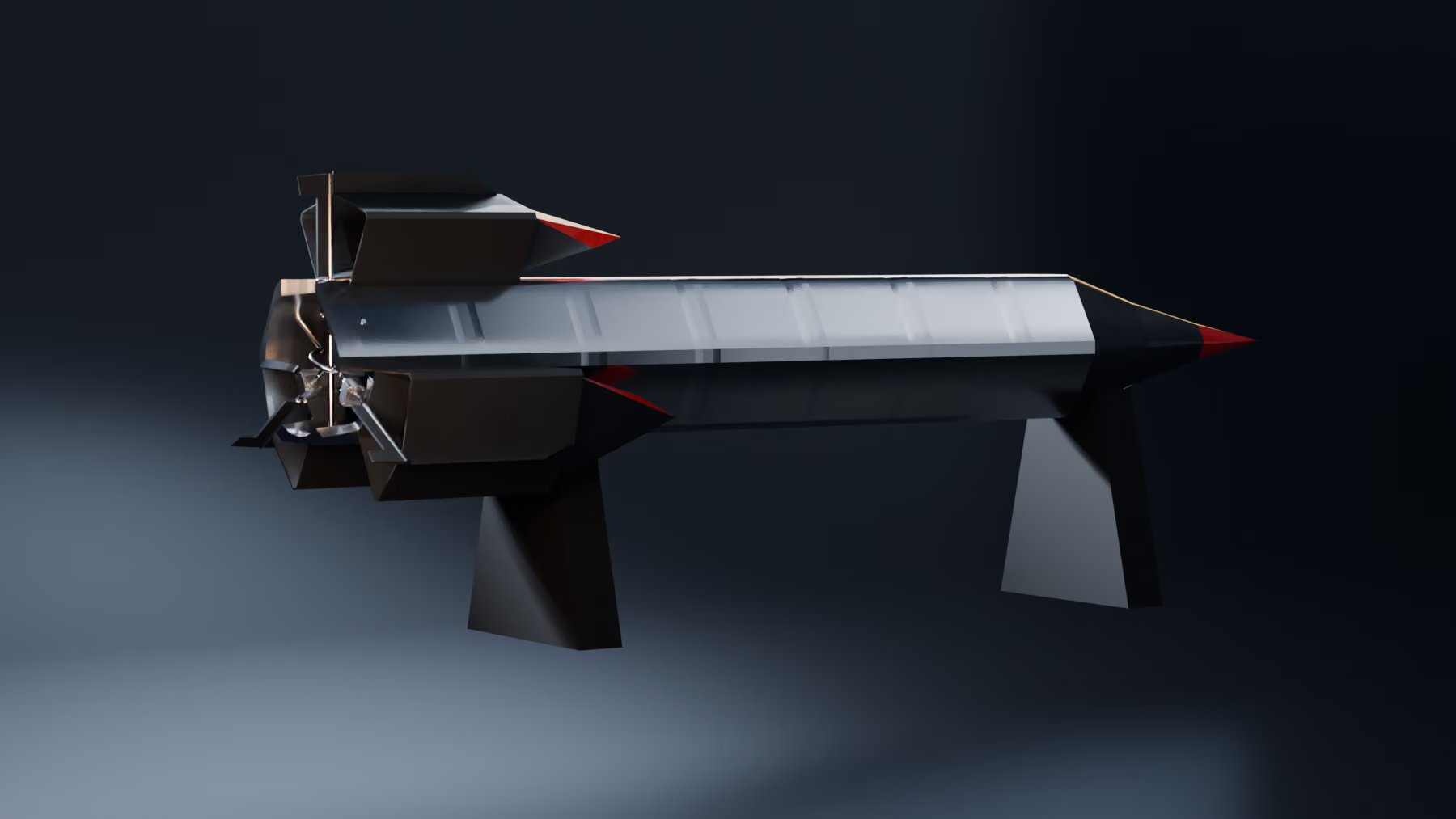
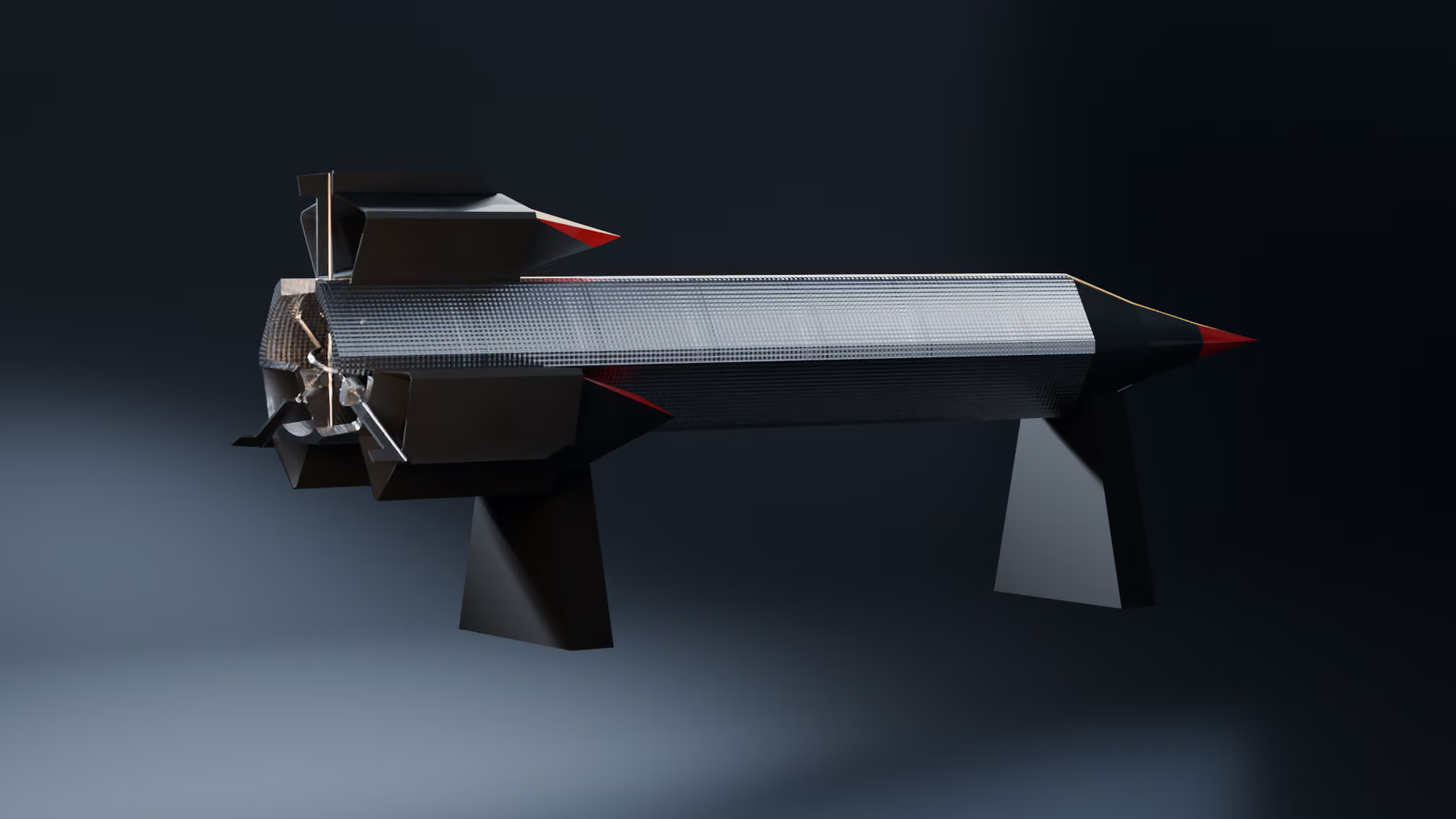
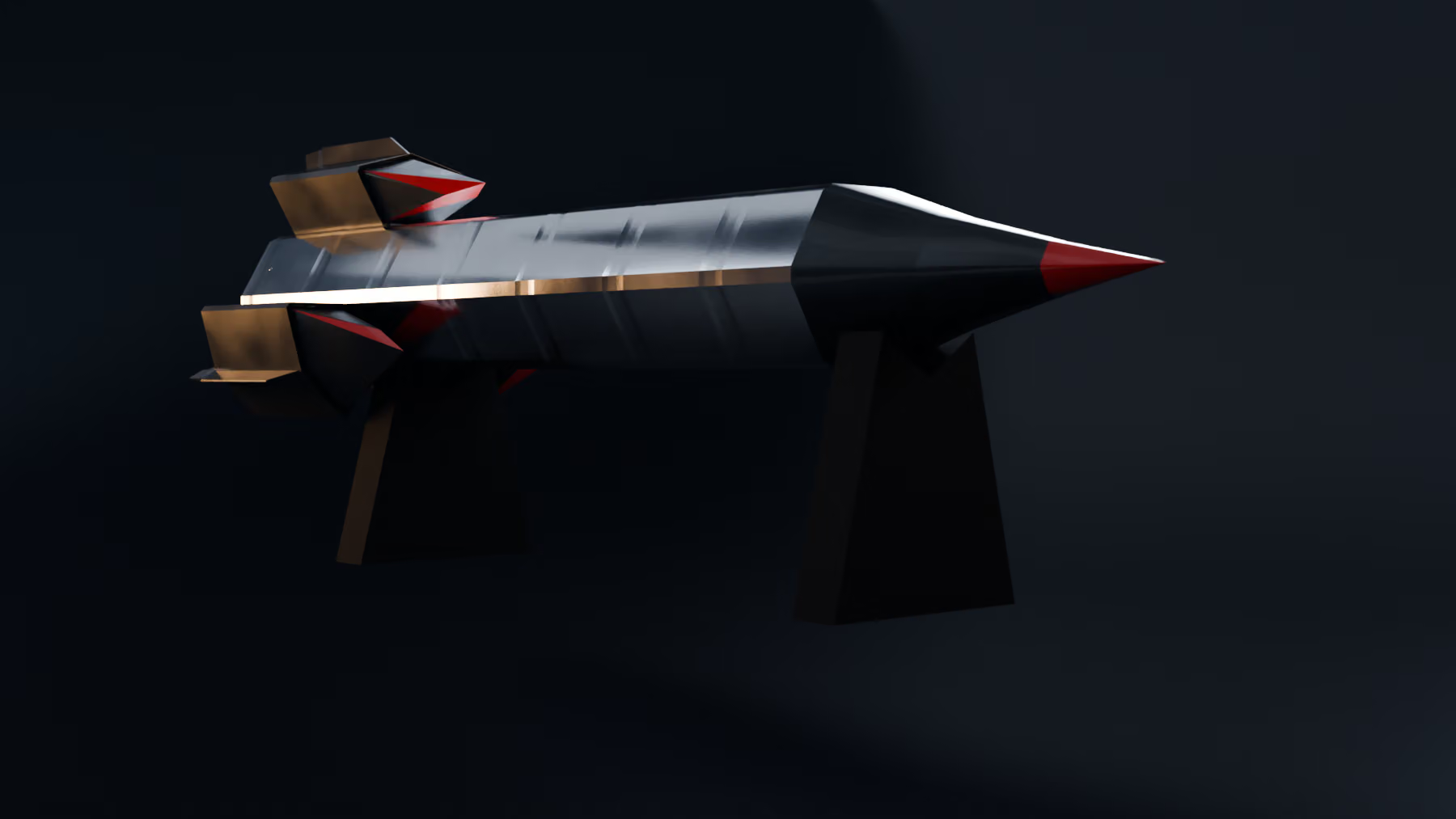
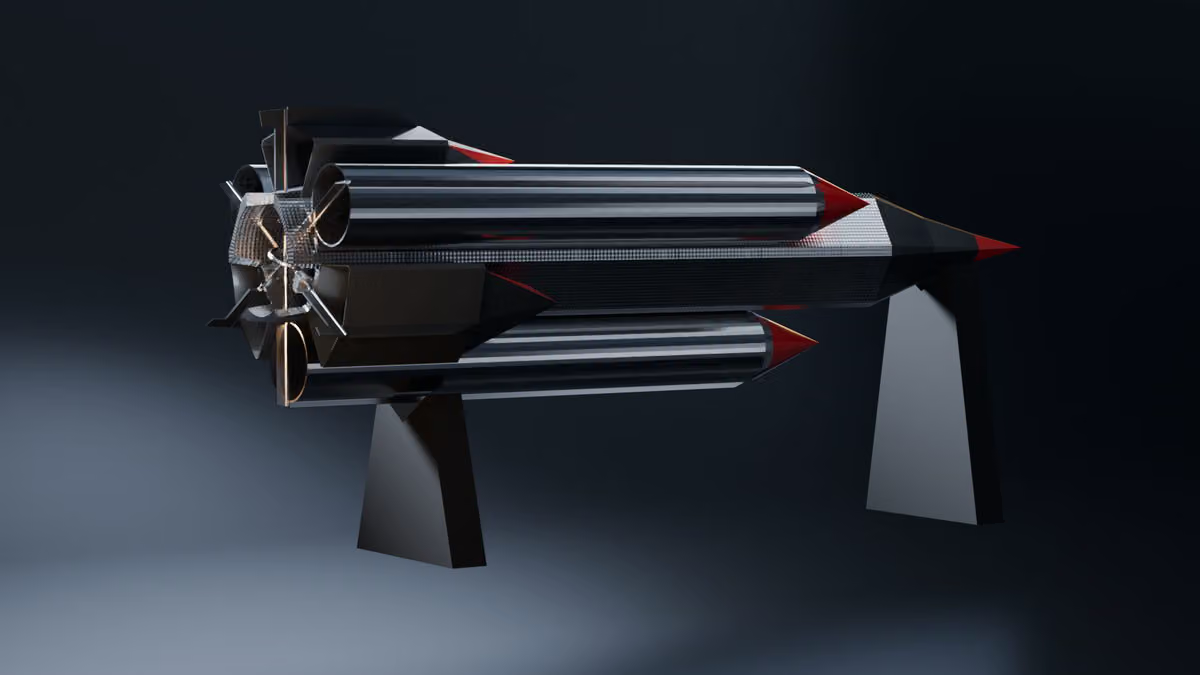
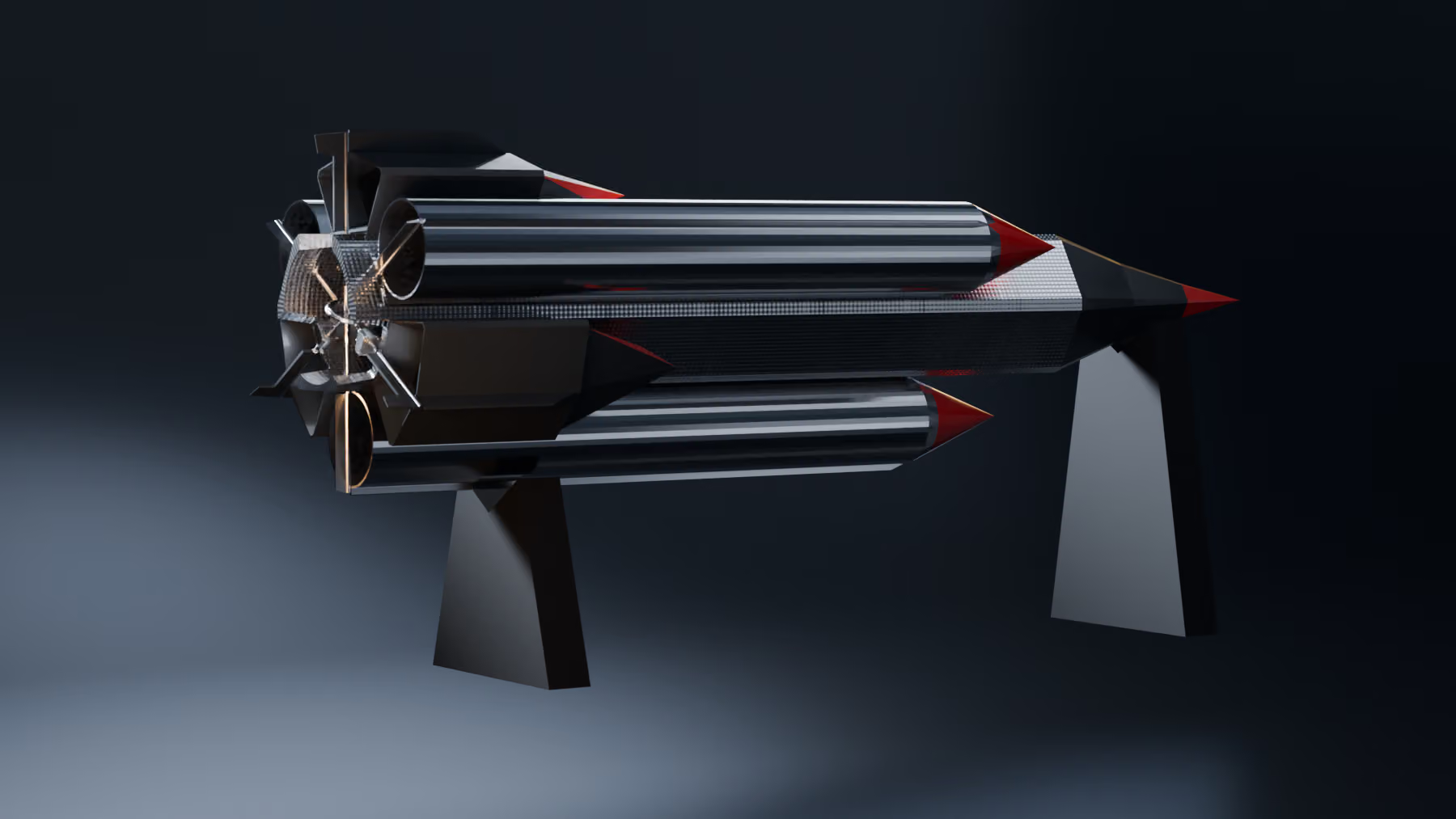
Bee-MX carries a hexagonal cross section. The six facets let units nest in a close-packed array and index on hexagonal guide rails at launch. A boosted state is sized to those rails; a ramjet state flies the mission.

Bee-MX in booster-assisted launch configurationConcept Render
Config A · Launch

Booster-assisted launch

Boosters fitted, sized to the hexagonal guide rails that set the 36-cell packing.
  • Launch diameter30" (762 mm)
  • Launch weight1,614 lb (734 kg)
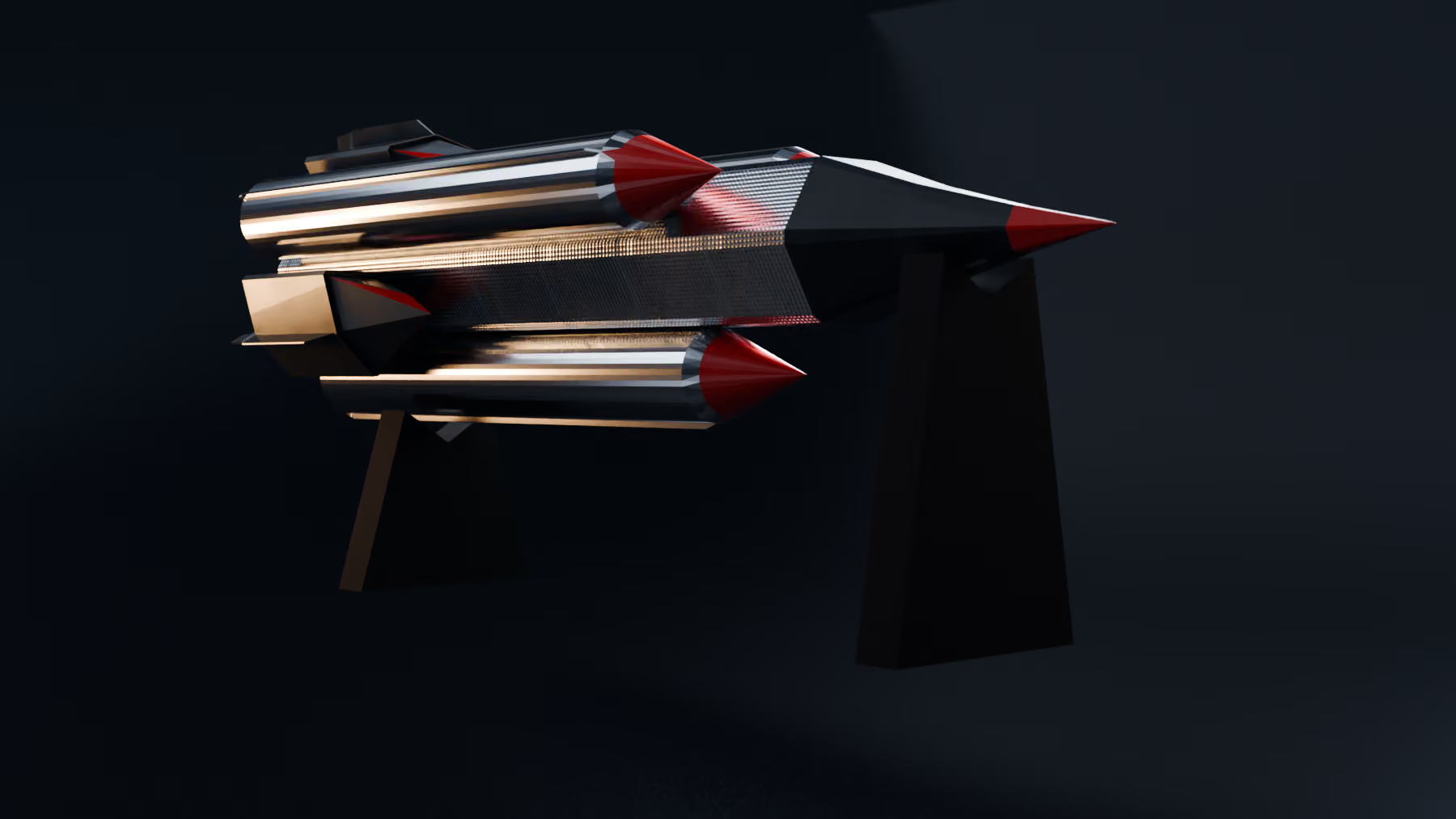
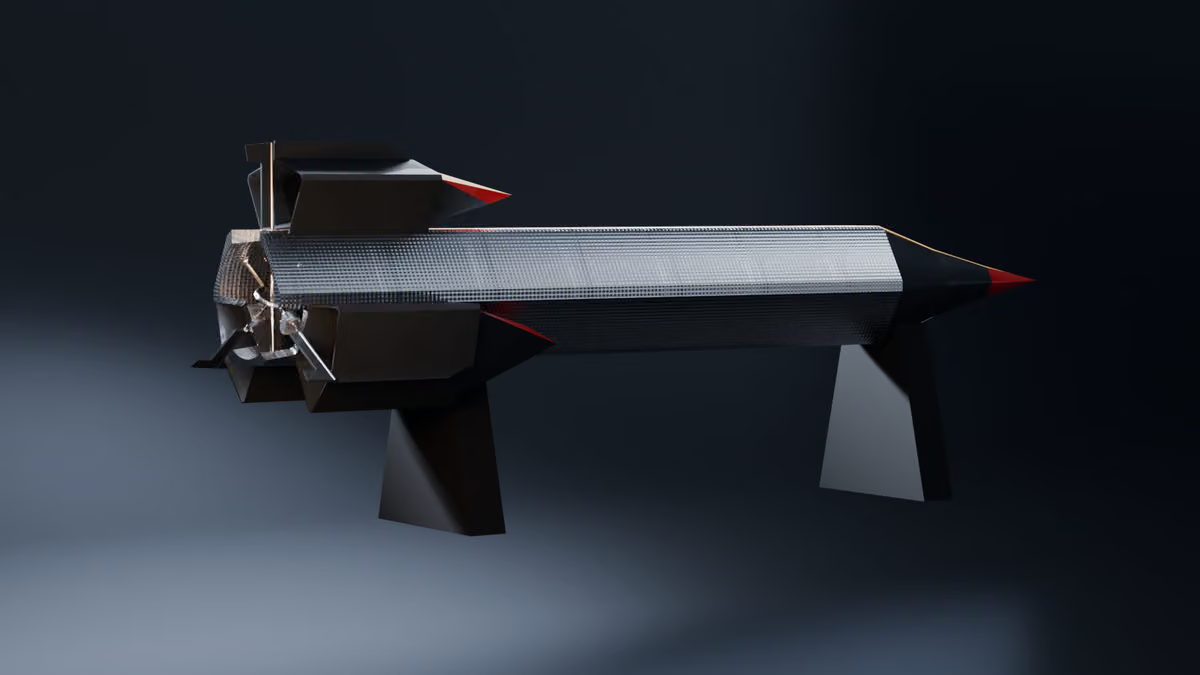
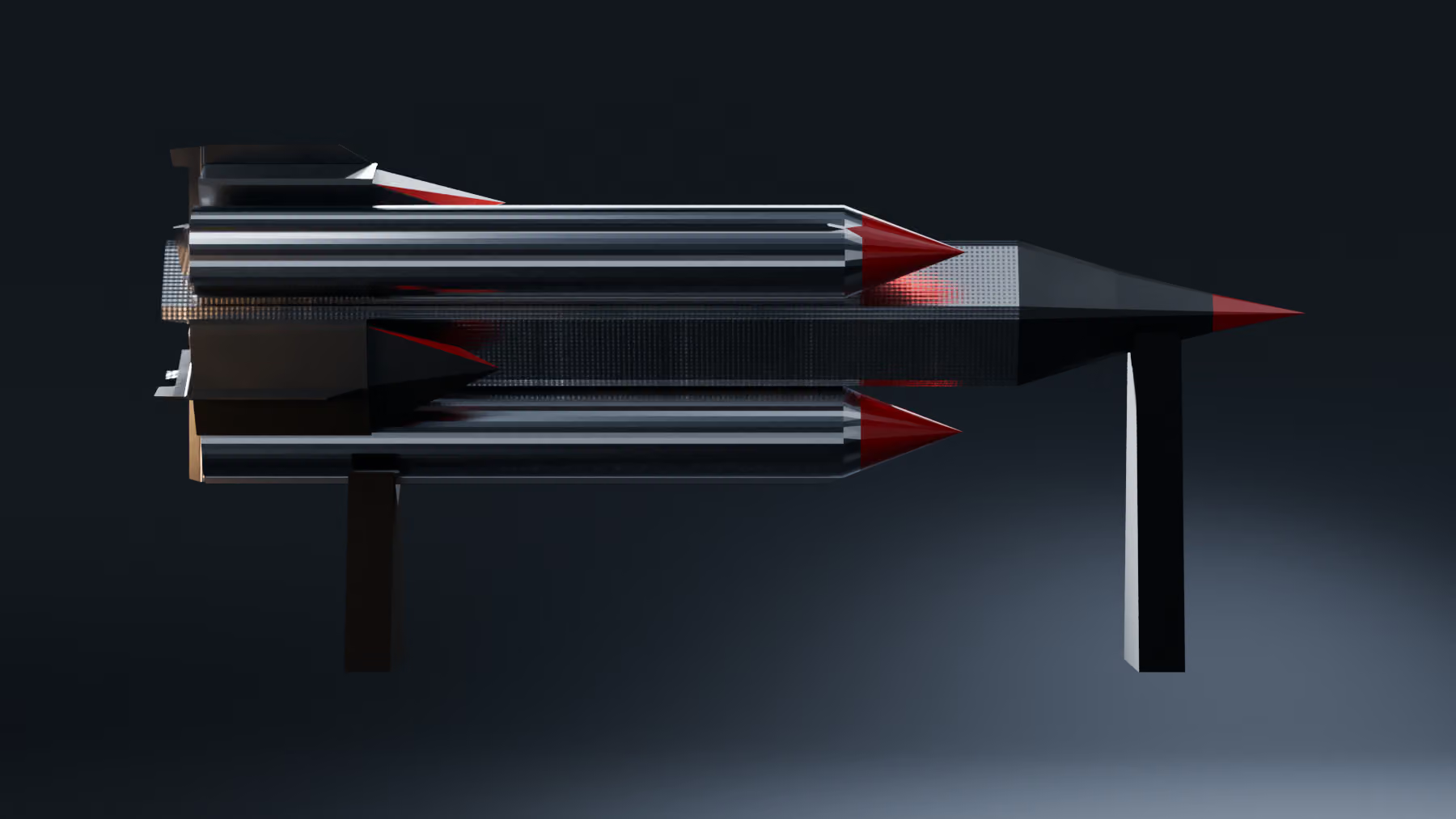
Bee-MX in ramjet cruise configurationConcept Render
Config B · Cruise

Ramjet cruise

Boosters spent. Ramjet nacelles arranged around a hexagonal airframe, with the shared central fuel tube running the length of the body.

  • Body diameter12.5" (305 mm)
  • Cruise velocityMach 3
Common to both configurations
AirframeHexagonal, six facets
Fuel1 × shared central tube
Launch3 boosters on hex guide rails
GuidanceAutonomous, integrated thrust vectoring

Concept renders. Full engineering specifications and test plans are available under NDA to qualified government and prime-contractor partners.
02 · Flight Profile

Boosted off the stack.
Then air-breathing.

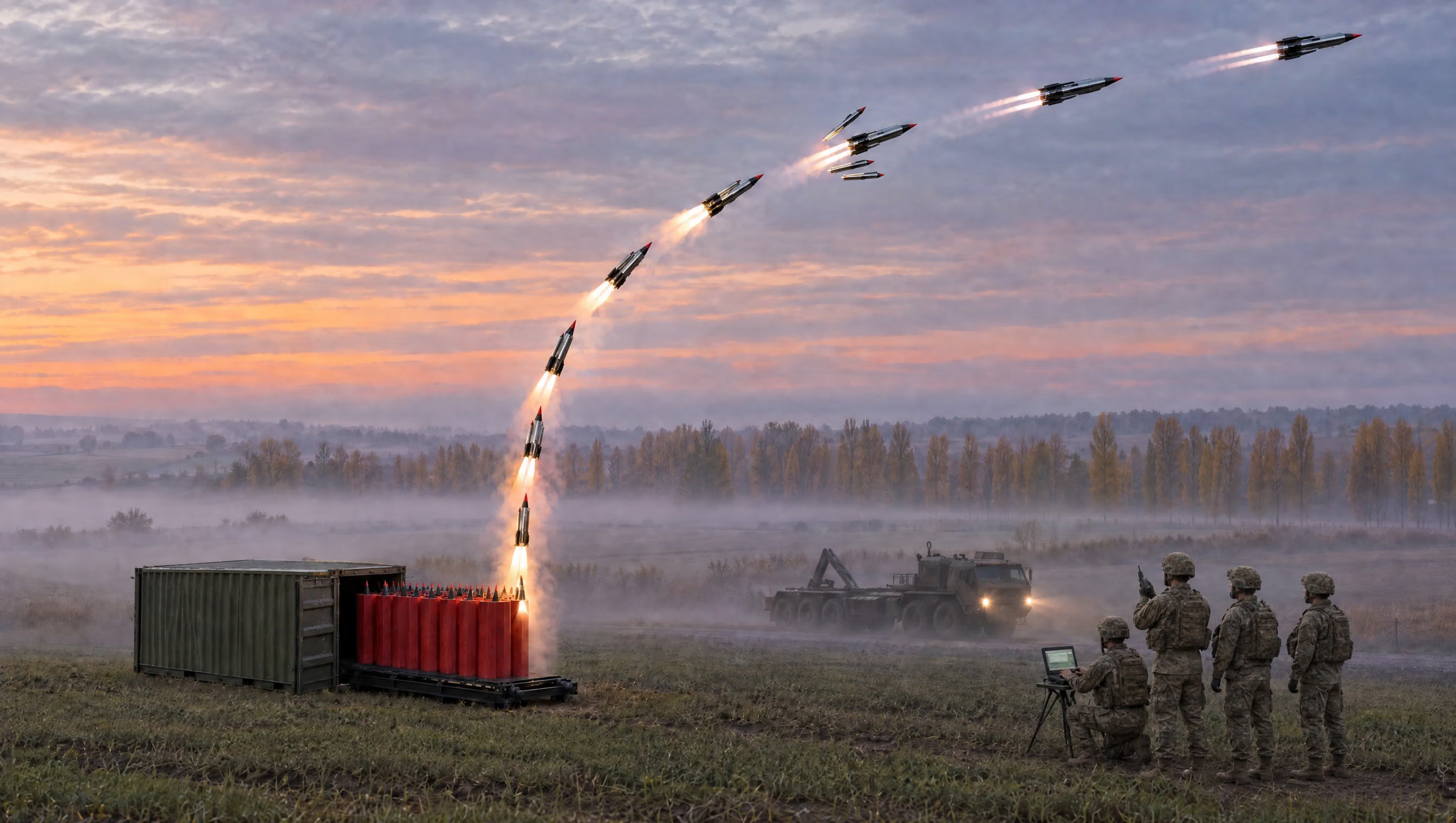
Bee-MX leaves the magazine on its own rails, accelerates on three boosters, and then cruises on ramjet power at Mach 3. Nothing in the sequence requires a dedicated launch pad, crew emplacement, or site preparation.

Phase 01

Rail egress

The unit leaves the container on its hexagonal guide rails. No dedicated launch pad, crew emplacement, or site preparation.

Container to clear air
Phase 02

Boost

Three boosters carry the airframe off the guide rails and up to ramjet operating speed.

Boosters spent
Phase 03

Ramjet cruise

Three ramjet engines sustain Mach 3 cruise, fed from the shared central fuel tube that runs the length of the body.

150+ mi range
Phase 04

Terminal

Autonomous guidance with integrated thrust vectoring carries the unit through the end of its flight.
Detail under NDA
Bee-MX booster-assisted launch, three-quarter view
Bee-MX booster-assisted launch, profile view
Bee-MX booster-assisted launch, bow view
Bee-MX in ramjet cruise configuration, three-quarter view
Bee-MX ramjet cruise configuration, detail view
Bee-MX cruise configuration, bow view
Bee-MX cruise configuration, nose view
Concept Render
01 / 07

Launch, three-quarter view

Boosters fire together and carry the unit off the container's guide rails.

03 · Magazine

Depth is a function
of floor area.

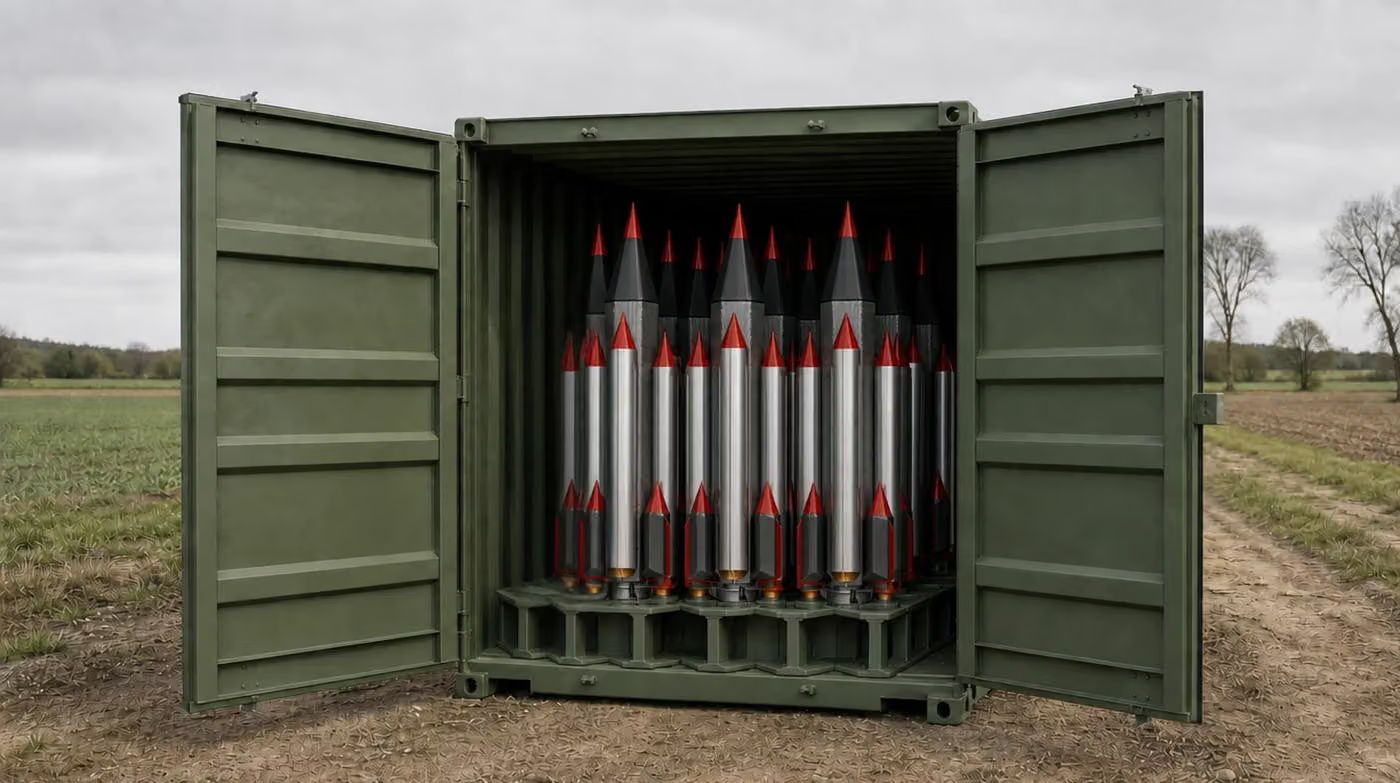
Thirty-six units ride in one unmodified 40-ft ISO container: three rows of 12, hexagonal close-packed with a 50% row offset. The hexagonal guide rails that launch each unit also set the packing.
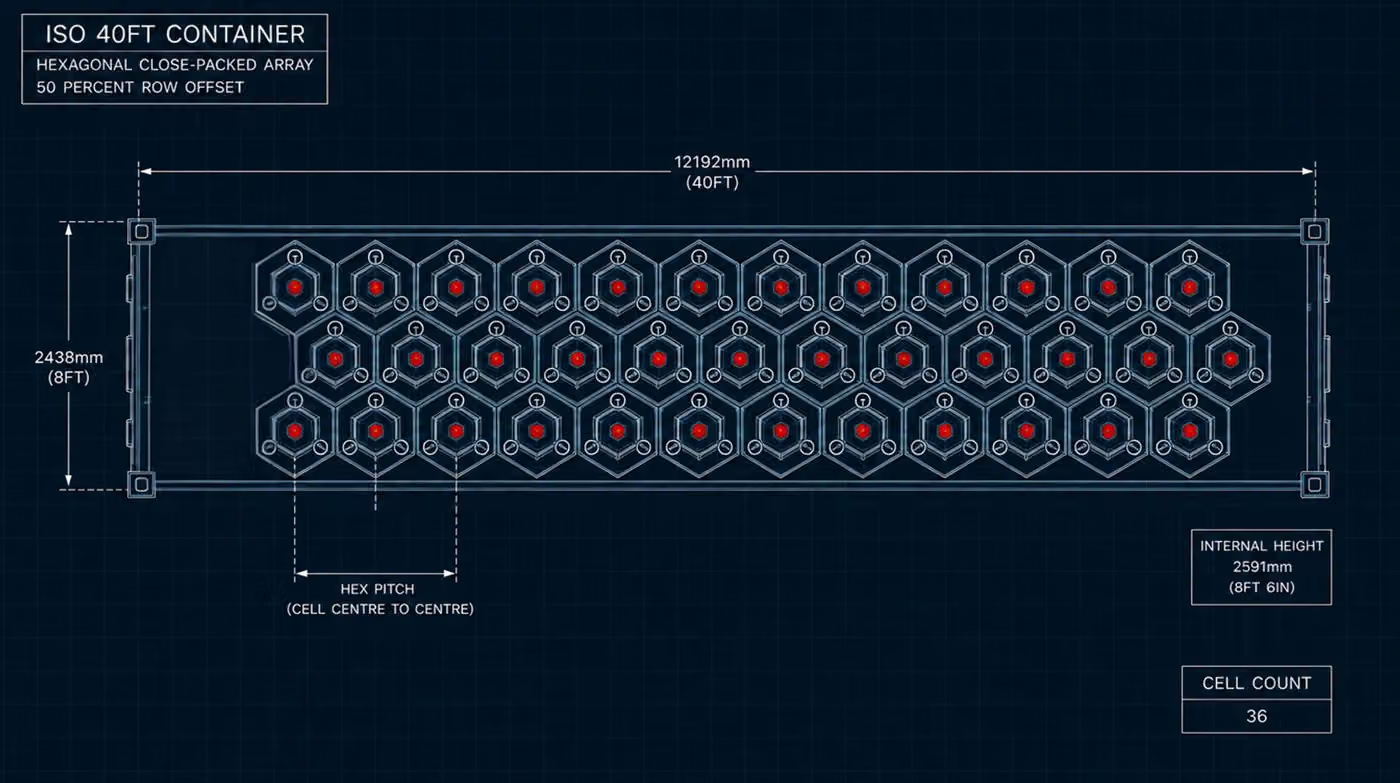
Container 40-FT ISO Unmodified standard container. 12,192 mm long, 2,438 mm wide.
Bee-MX close-packed 36 cells Hexagonal close-packed array, 50% row offset.
Magazine arrangementHexagonal close-packed array
Plan view, schematic
Clearance Clearance 40-FT ISO · plan view 3 rows 3 rows × 12 · 50% row offset · 36 units Schematic, not to scale
FIG. A, packing geometry blueprint of the container magazine
04 · Propulsion

Engines and fuel
built around the hexagon.

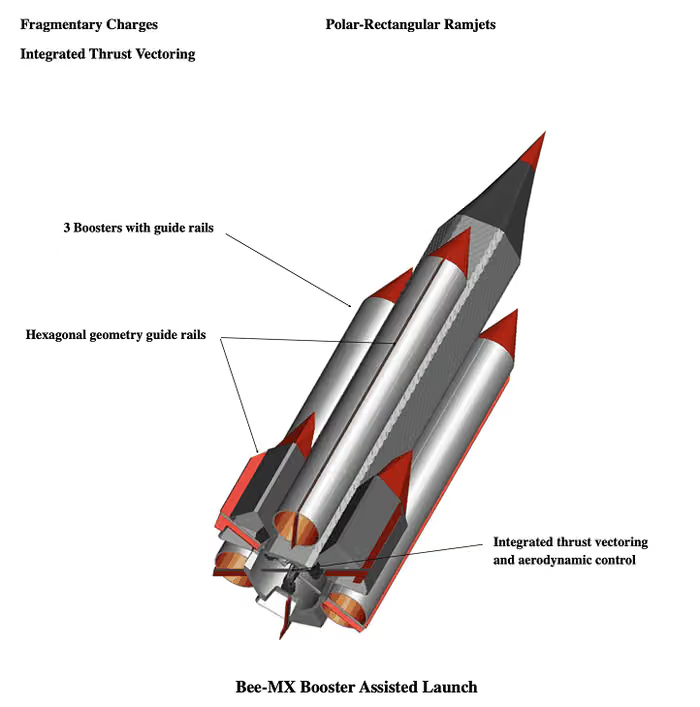
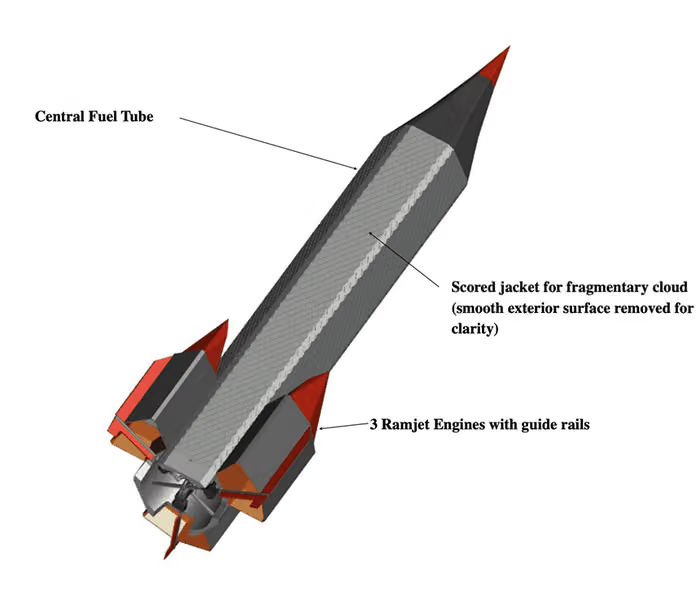
Three ramjet engines and three boosters, carried on guide rails around a hexagonal airframe and fed by one shared central fuel tube. A parts-minimized design keeps control complexity low and the packing envelope clean.

FIG. 01, central fuel tube
Figure 01 · Central fuel tube

One shared fuel tube

A single central fuel tube runs the length of the body, with three ramjet engines on guide rails around it.

  • Fuel1 × central tube
  • Engines3 × ramjet
Booster ignition at launch from a containerized magazine
Figure 02 · Booster-assisted launch & hex guide rails

From rail to ramjet

Three boosters with guide rails ride the hexagonal launch geometry out of the container. The launch configuration also carries integrated thrust vectoring.

  • Boosters3 × with guide rails
  • Launch diameter30" (762 mm)
  • Launch weight1,614 lb (734 kg)
05 · Deployment

One container. Thirty‑six units. Under a minute.

Load, move, emplace, deploy. Every step uses equipment and routes that already exist.
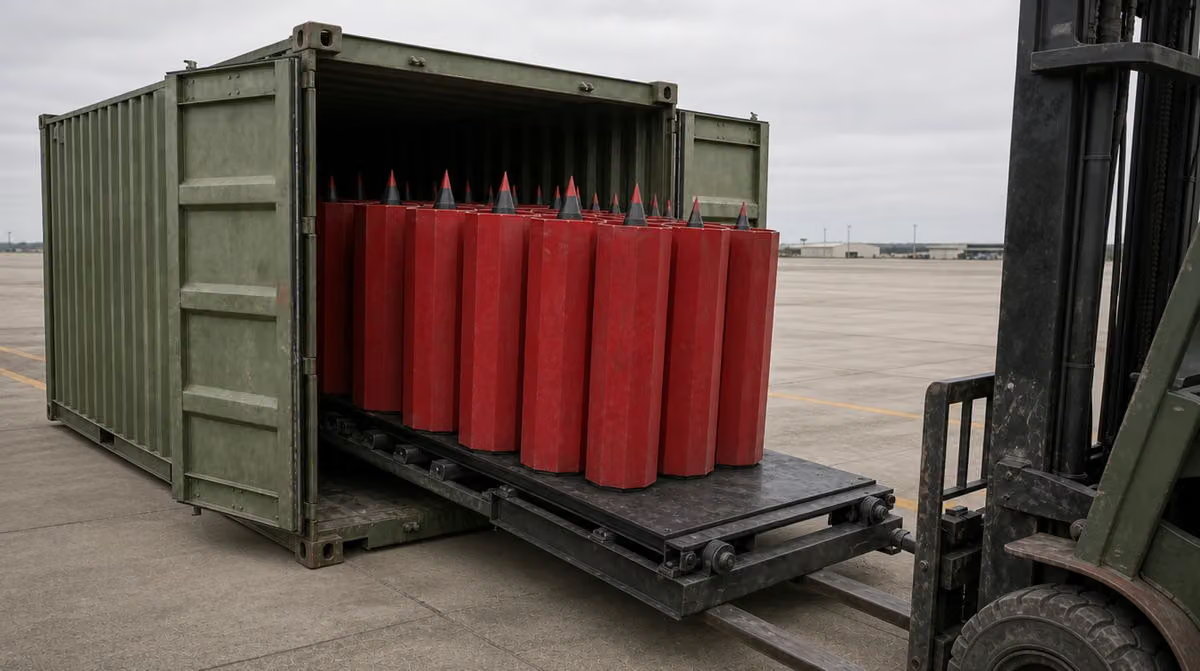
Container handler lifting the Bee-MX container onto a truck chassis01Load

Loaded with standard handling equipment.
Container moving through the intermodal logistics chain02Move

Truck, rail or sea. No purpose-built carrier.
Unmodified 40-foot ISO container emplaced03Emplace

An unmodified 40-ft ISO container. No site prep.
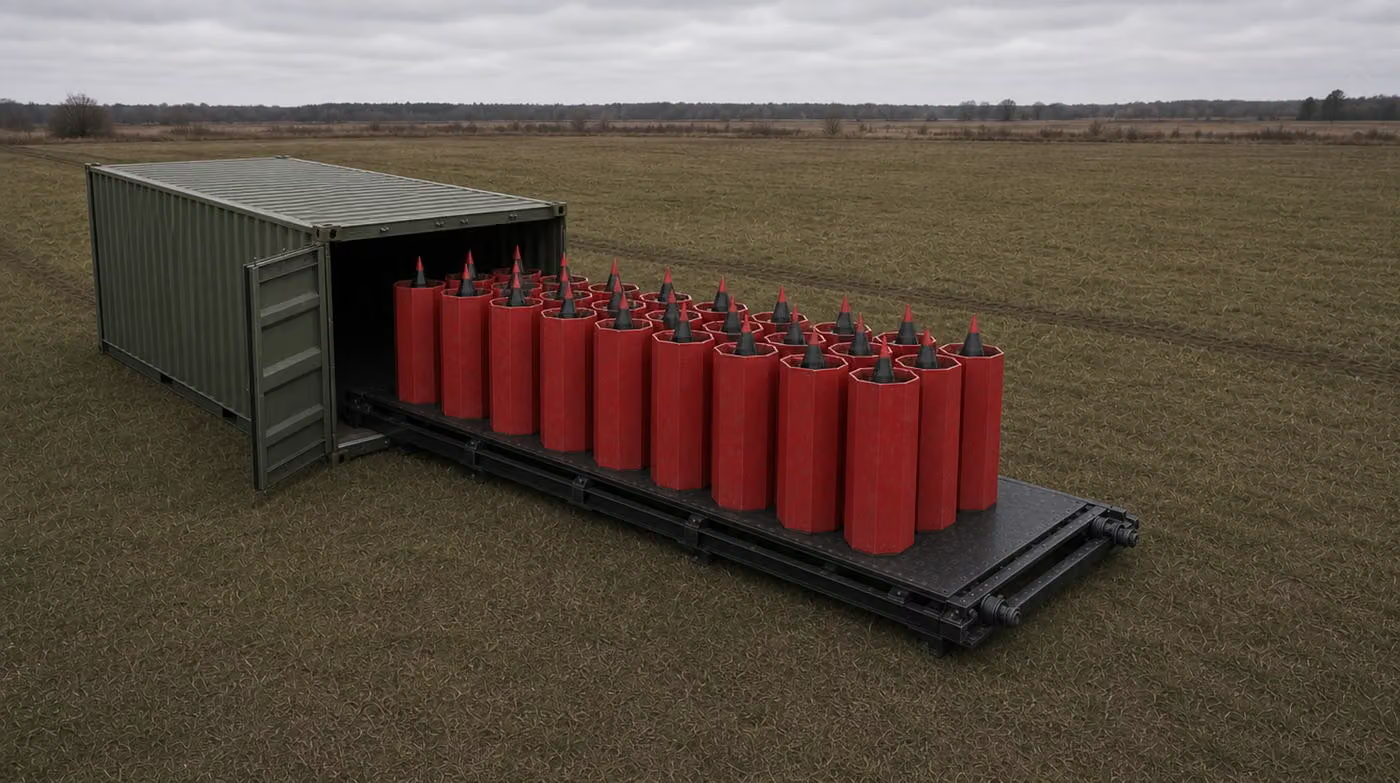
Rack extended showing 36 hexagonal close-packed cells04Deploy

Rack extends: 36 cells, hex close-packed.

← Swipe for all four steps
40-FT ISO

Ships, arms and launches from an unmodified standard container.

36 / <60 S

A full container mobilizes and fires in under a minute.

<$200K

Unit cost target at volume.

Bee-MX container moved by standard handling equipment on the tarmac
Concept Render
06 · Logistics

It ships like freight,
because it is freight.

Every leg of the journey already exists. Bee-MX travels inside an unmodified 40-ft ISO container, so the equipment that moves it is the equipment already moving everything else.
01No purpose-built carrierStandard handling equipment, standard chassis, standard lift points.
02One box, any modeRoad, rail or sea, with no change of equipment between legs.
03No site prepThe container is the launch site. It arrives, it emplaces, it fires.
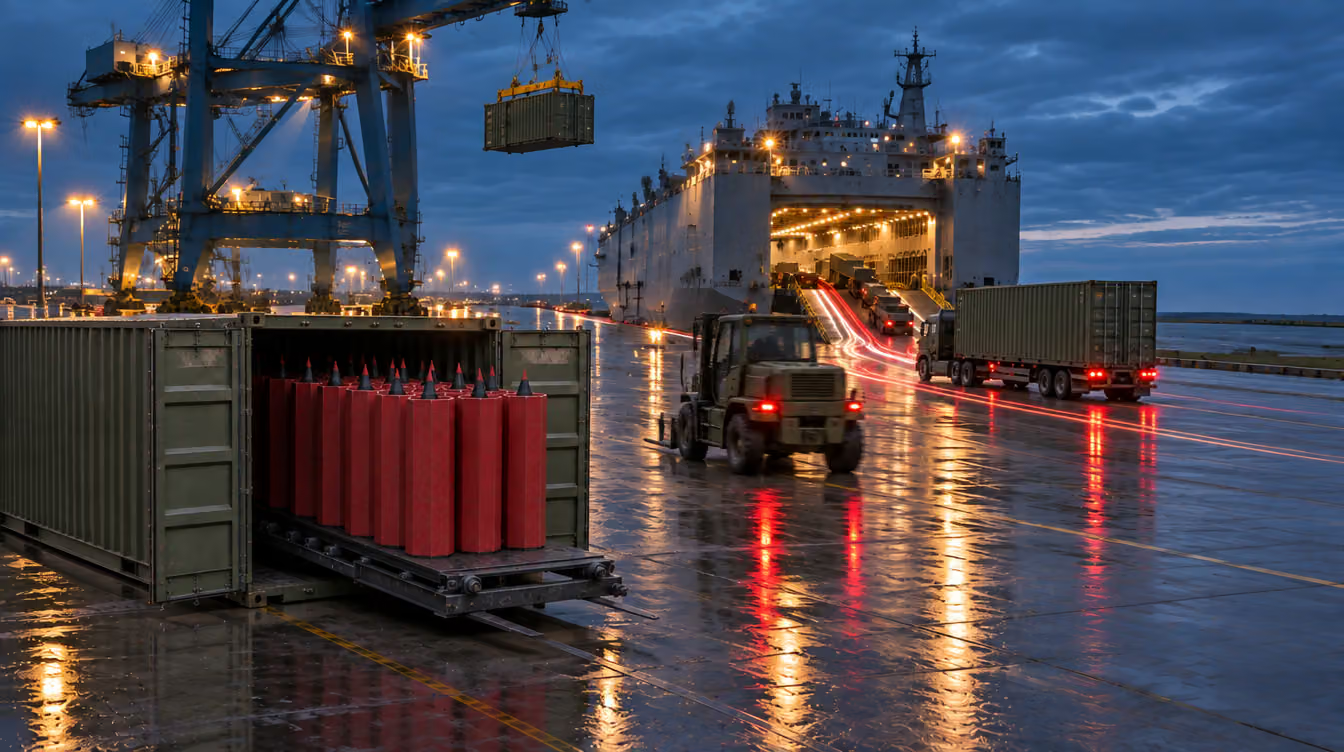
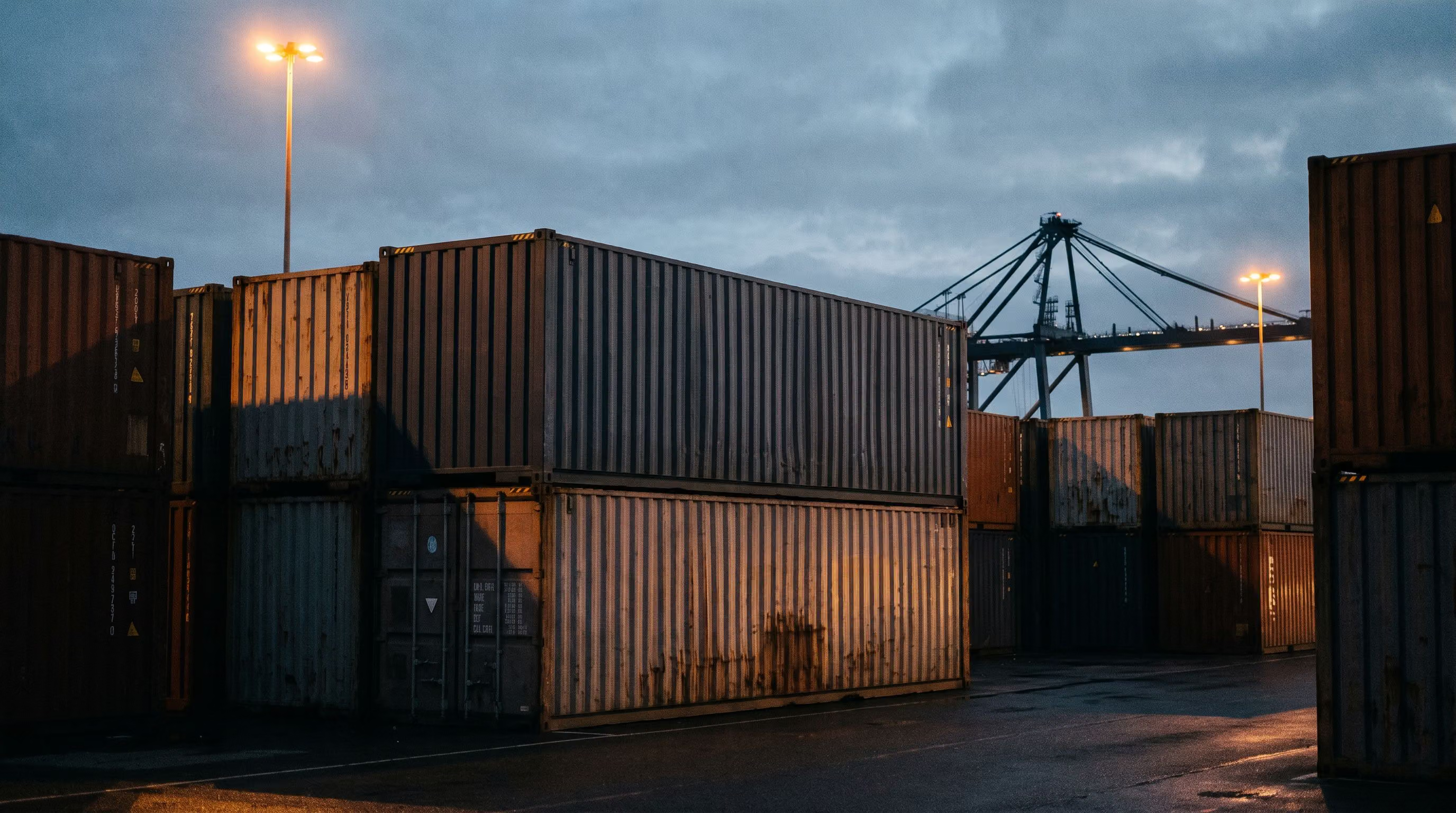
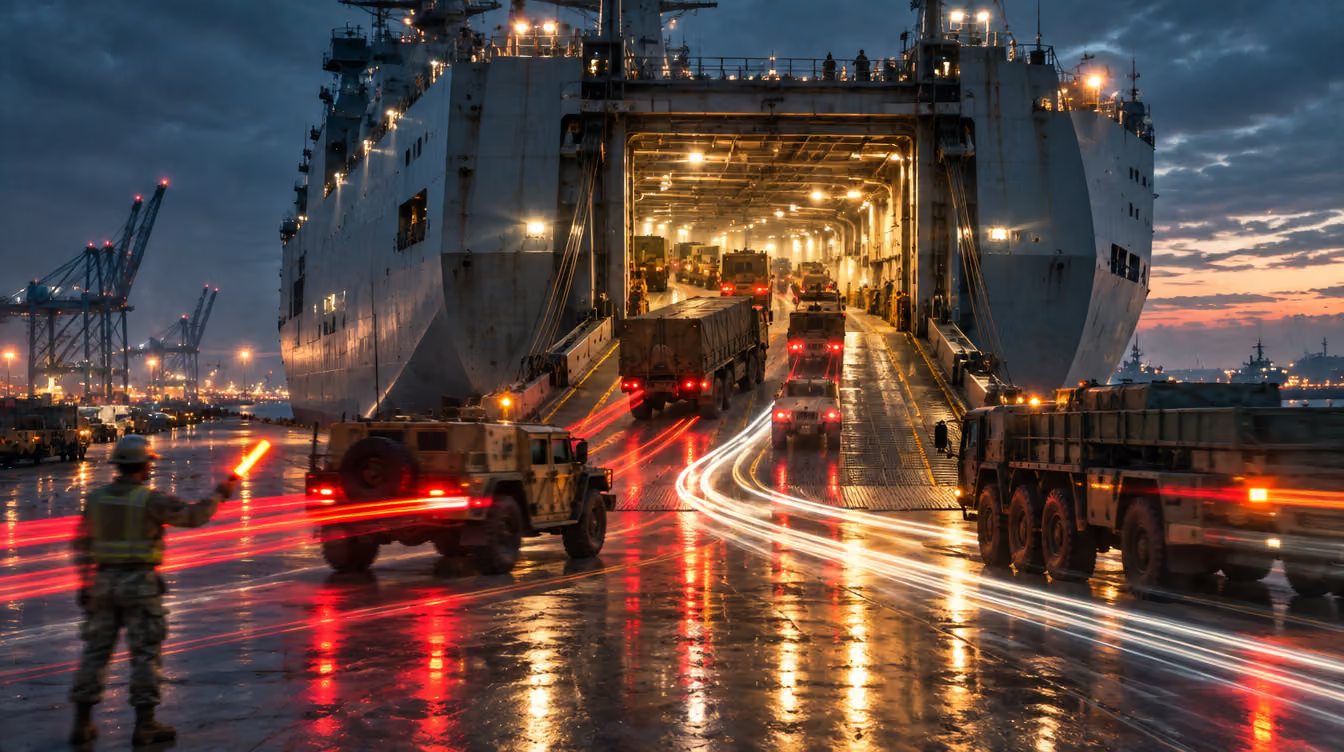
Container roll-on at a commercial port terminal at nightSeaLeg
Roll-on at a commercial terminal. The sea leg already exists.
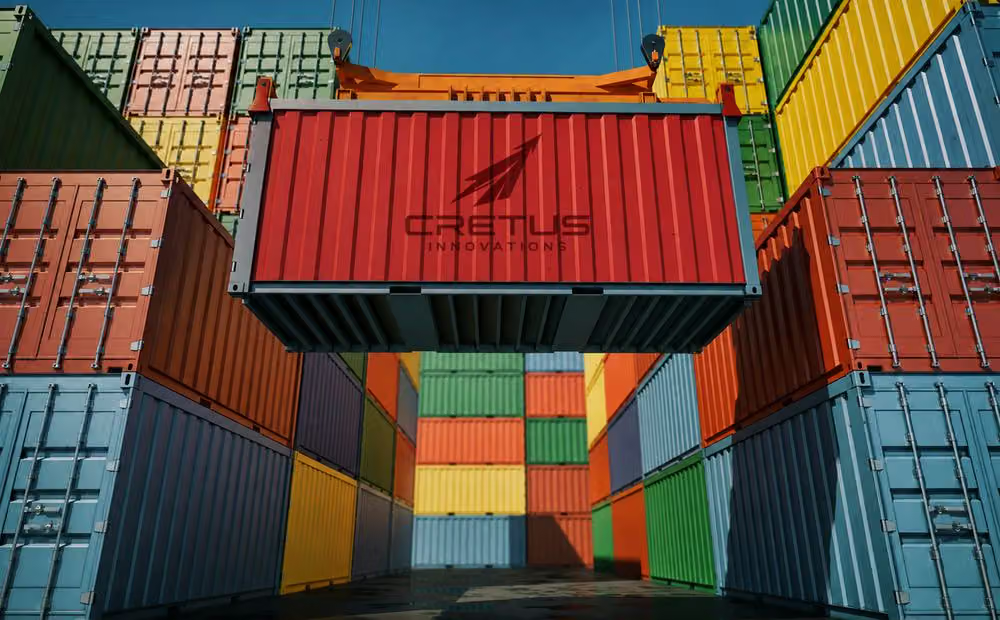
Bee-MX container staged among standard freight in a container yard at duskYardStaged
Staged as standard freight in an unmodified 40-ft ISO container.

Illustrative of the existing intermodal logistics network. Concept renders, not photographs of fielded equipment.

Bee-MX units being handled on a tarmac beside an intermodal container
07 · Deployment and Handling

Moves like cargo. Needs no fixed launch site.

Bee-MX travels in an unmodified 40-ft ISO container, on the same truck, rail and sea network that already moves global cargo. Transport only gets it there. Once emplaced, it needs no dedicated launch pad and no site preparation.

Road Standard truck chassis Moved by the same truck network already carrying global cargo.
Rail Conventional rail No purpose-built carrier. Rides conventional rail as standard intermodal freight.
Sea Hulls already in service A 40-ft box moves by sea on hulls and deck fittings already in service. No new handling doctrine.
08 · Program Status

Where Bee-MX
stands today.

Bee-MX is in Phase I, preliminary studies, with patents pending in the U.S. and abroad. Cretus Innovations is developing Bee-MX independently and is actively seeking government procurement opportunities, strategic partnerships, and prime-contractor relationships. The path from here runs through ground testing, flight testing and qualification toward fielding.
Deployed array of Bee-MX containerized magazines
01
Patent filingsU.S. and foreign filings covering the hexagonal launch geometry and container-deployed concept.
Patent pending
02
Phase I, preliminary studiesConfiguration, packing geometry and design studies across the 40-ft ISO envelope.
Current phase
03
Subsystem build and ground testBooster and ramjet static testing, guidance hardware-in-the-loop work, and guide-rail fit checks against a container mock-up.
Next
04
Container integration demonstrationA loaded 40-ft magazine demonstrates rail egress and the full-container launch timeline.
Planned
05
Flight test campaignBoost-to-ramjet transition, Mach 3 cruise, altitude and range validated in flight.
Planned
06
Qualification and low-rate productionQualification alongside a government or prime-contractor partner, then low-rate initial production toward the <$200K unit cost target.
Planned
07
FieldingContainer magazines delivered into the existing truck, rail and sea network.
Planned

Steps 03 to 07 describe the intended development path. Timing depends on funding and partner engagement.

Salvo launch from containerized magazines at dusk
Bee-MX · Platform 01

Request the technical briefing.

Geometry, packing density, propulsion arrangement and program schedule are released to government, prime and investor parties under NDA. Tell us which of those you need and we will scope the session.
dave@cretusinnovations.com Louisiana, United States Government and prime enquiries