 01Carry
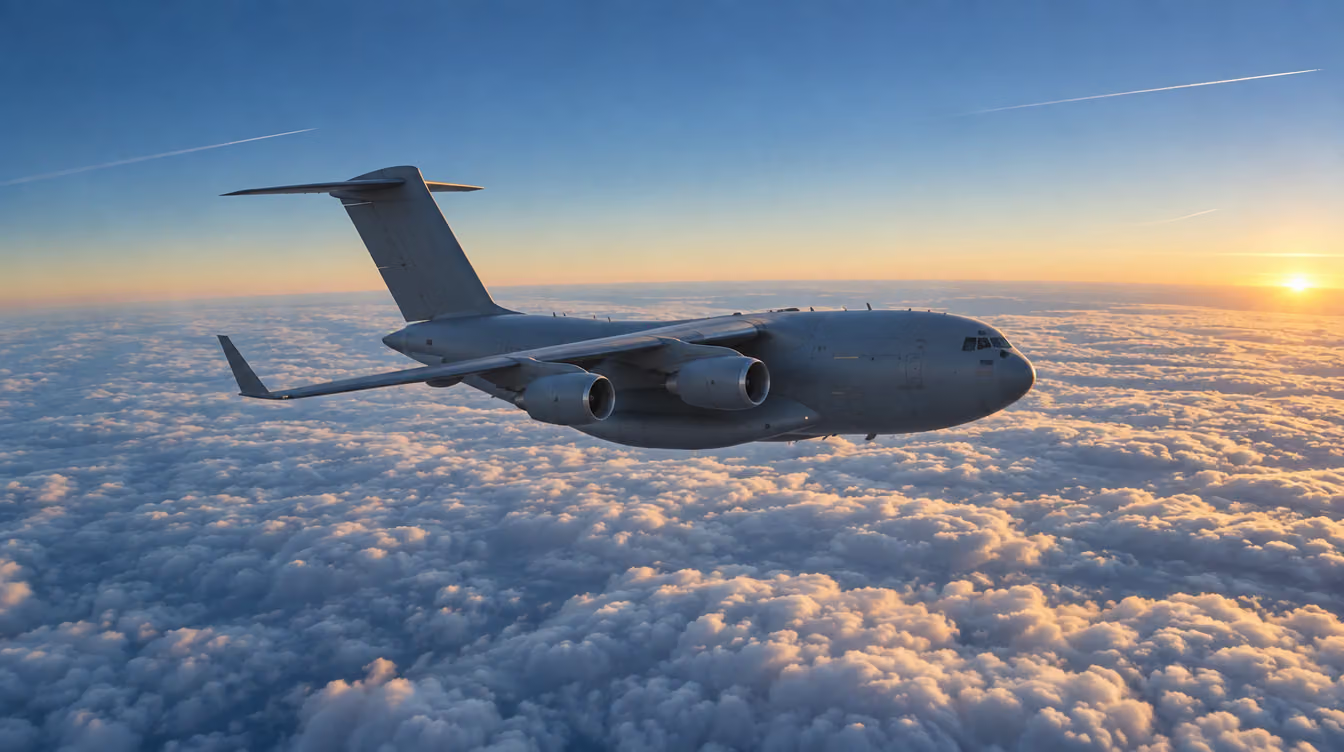
A conventional transport aircraft carries the vehicle to release altitude.
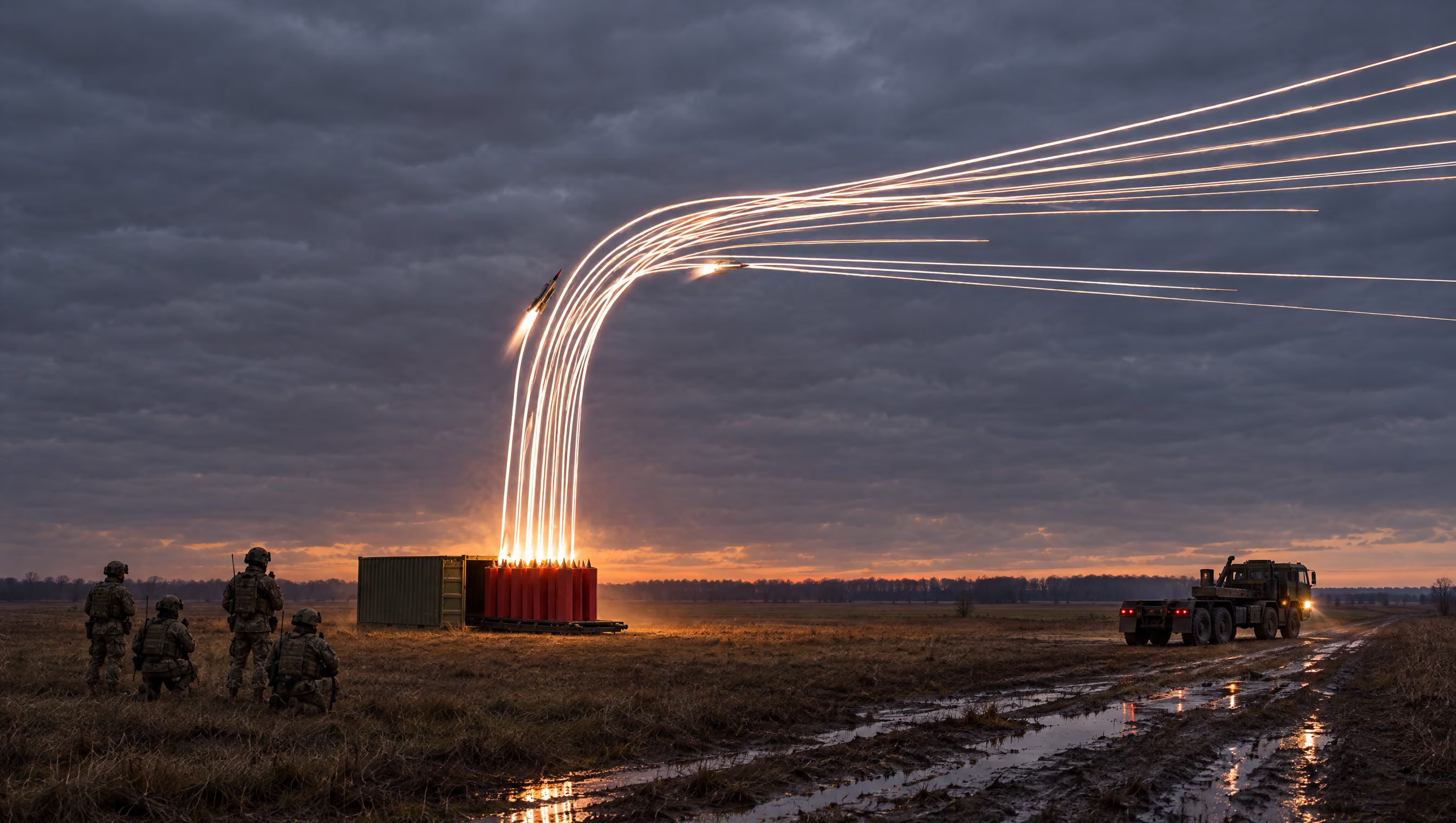 Bee-MXContainerized Strike System · Phase I
 Bee-SLAir-Launched Orbital Access · Concept

Small satellites to orbit from a conventional transport aircraft. No launch pad.
Orbital launch has always been tied to a handful of fixed, expensive sites. Bee-SL applies the Cretus premise to orbital access: design for the logistics that already exist.
A conventional transport aircraft carries the vehicle to altitude and releases it. The runway becomes the launch site, and the aircraft becomes the first stage.
The aircraft does the work a first stage normally does: it lifts the vehicle clear of the dense lower atmosphere, then lets go.
01Carry
A conventional transport aircraft carries the vehicle to release altitude.
 02Release
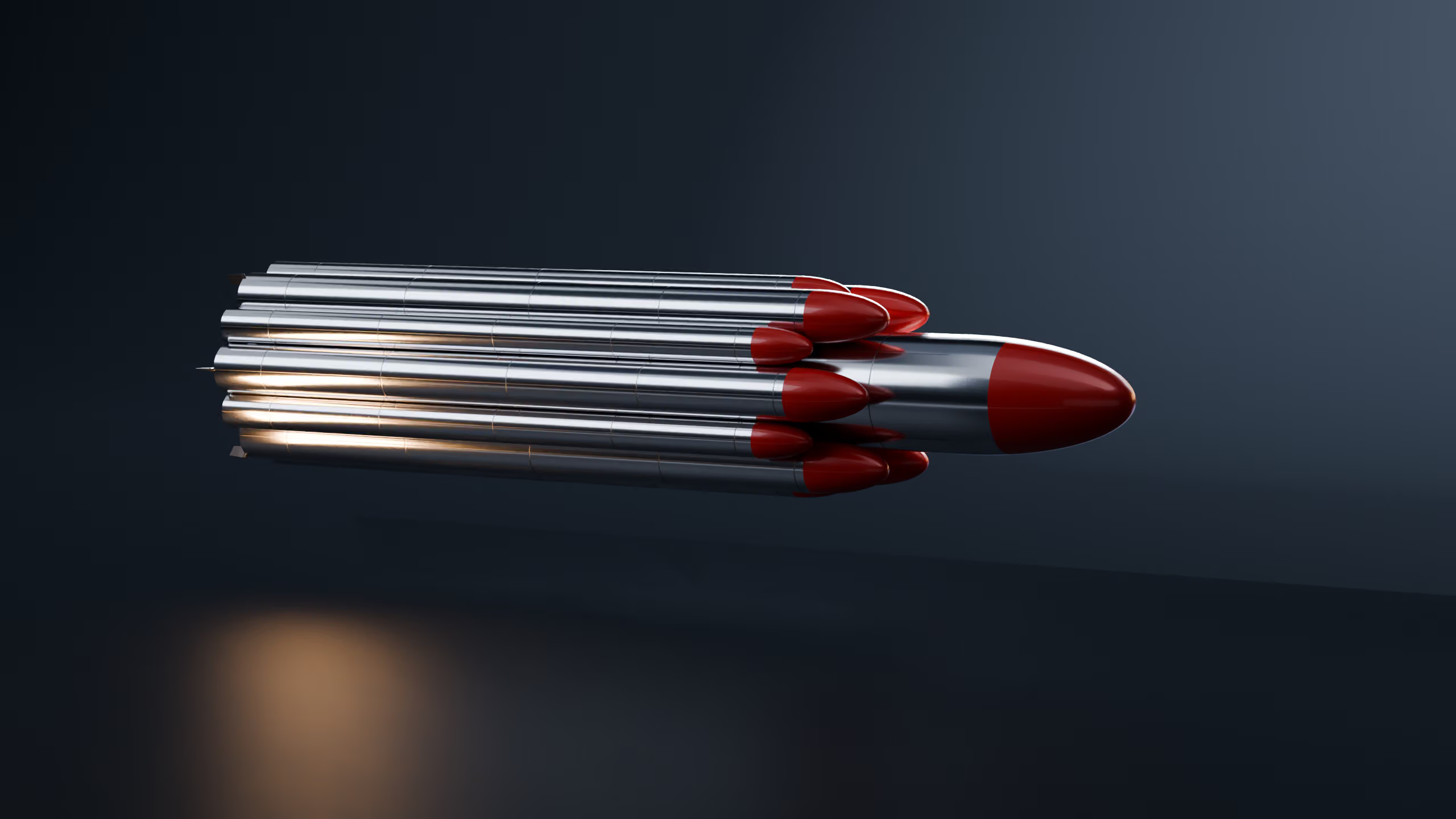
Released at altitude, the bundled vehicle ignites and climbs on its own.
 03Staging
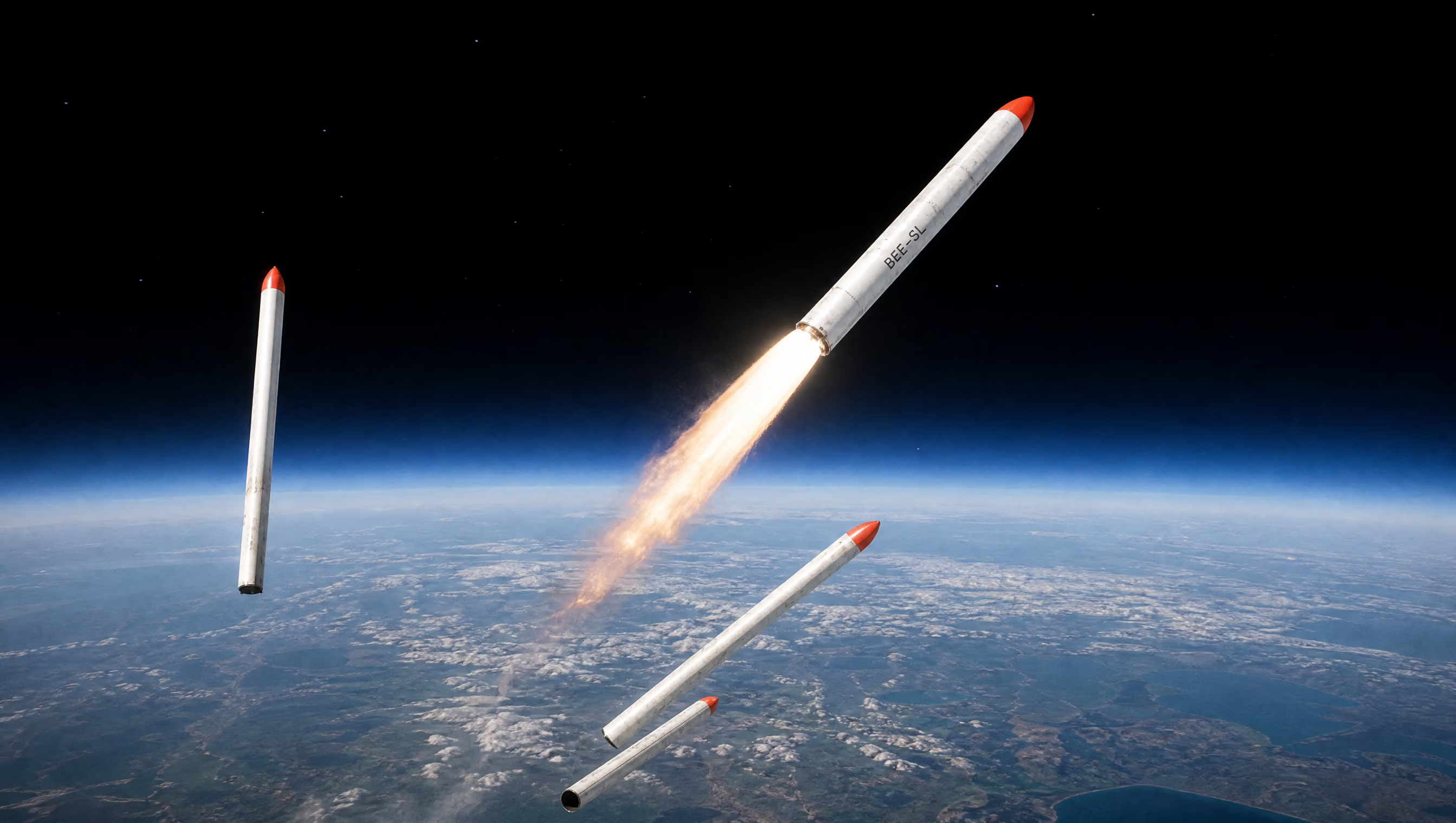
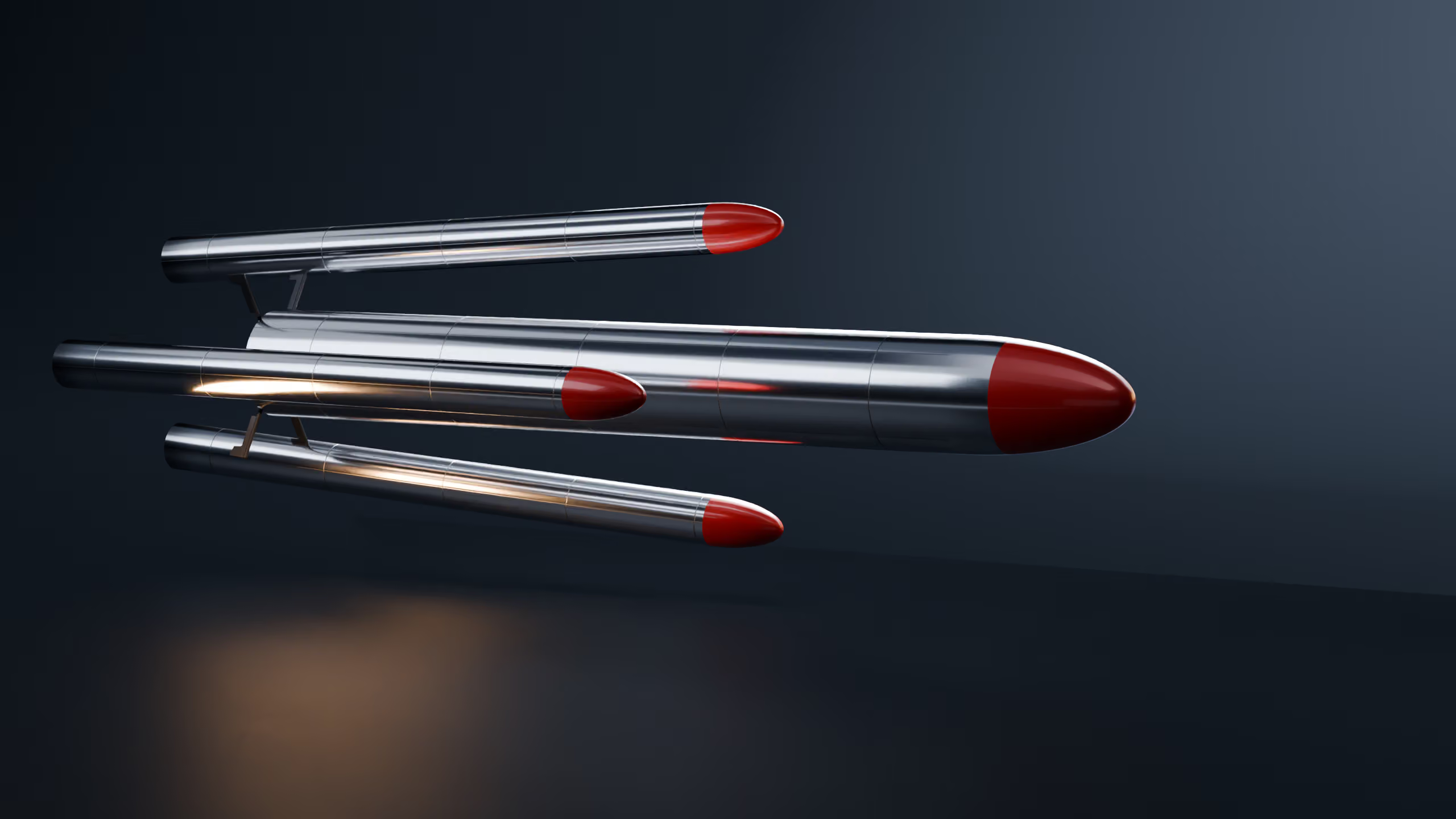
Spent cores fall away while the remaining core burns on.
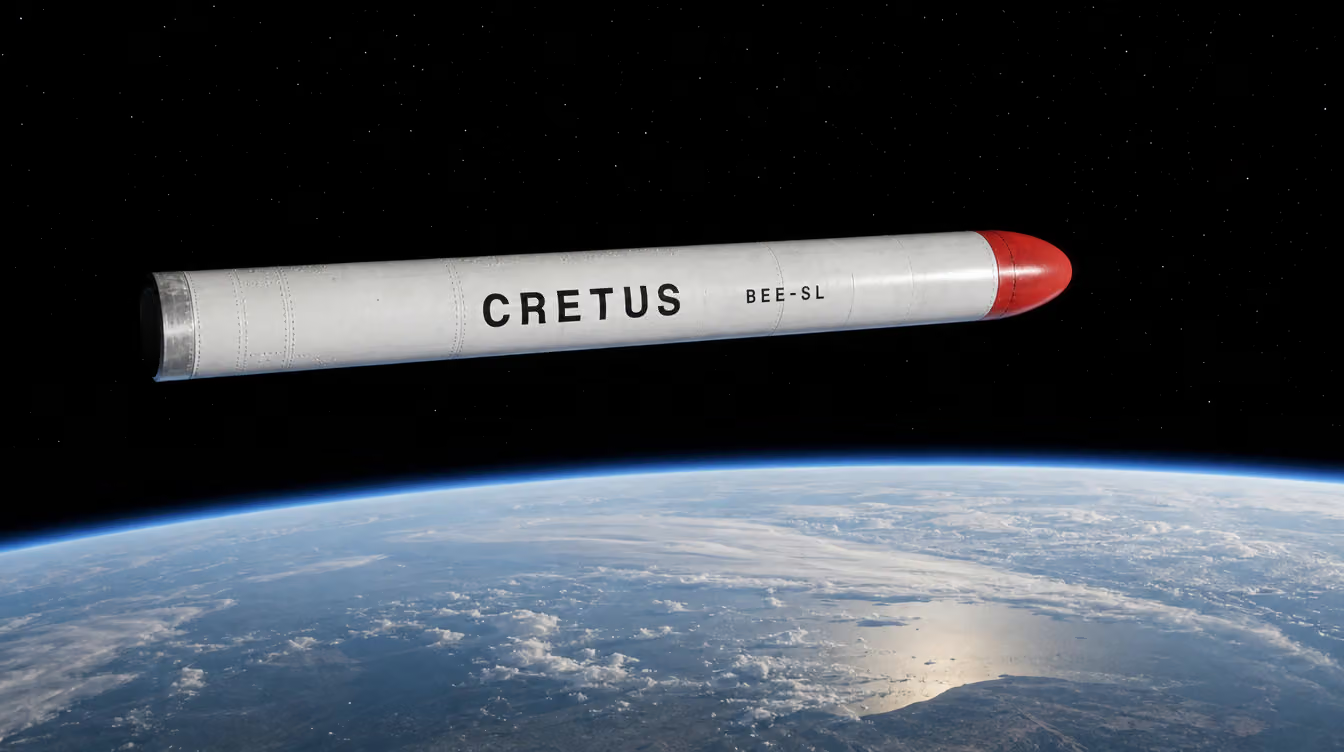 04Orbit
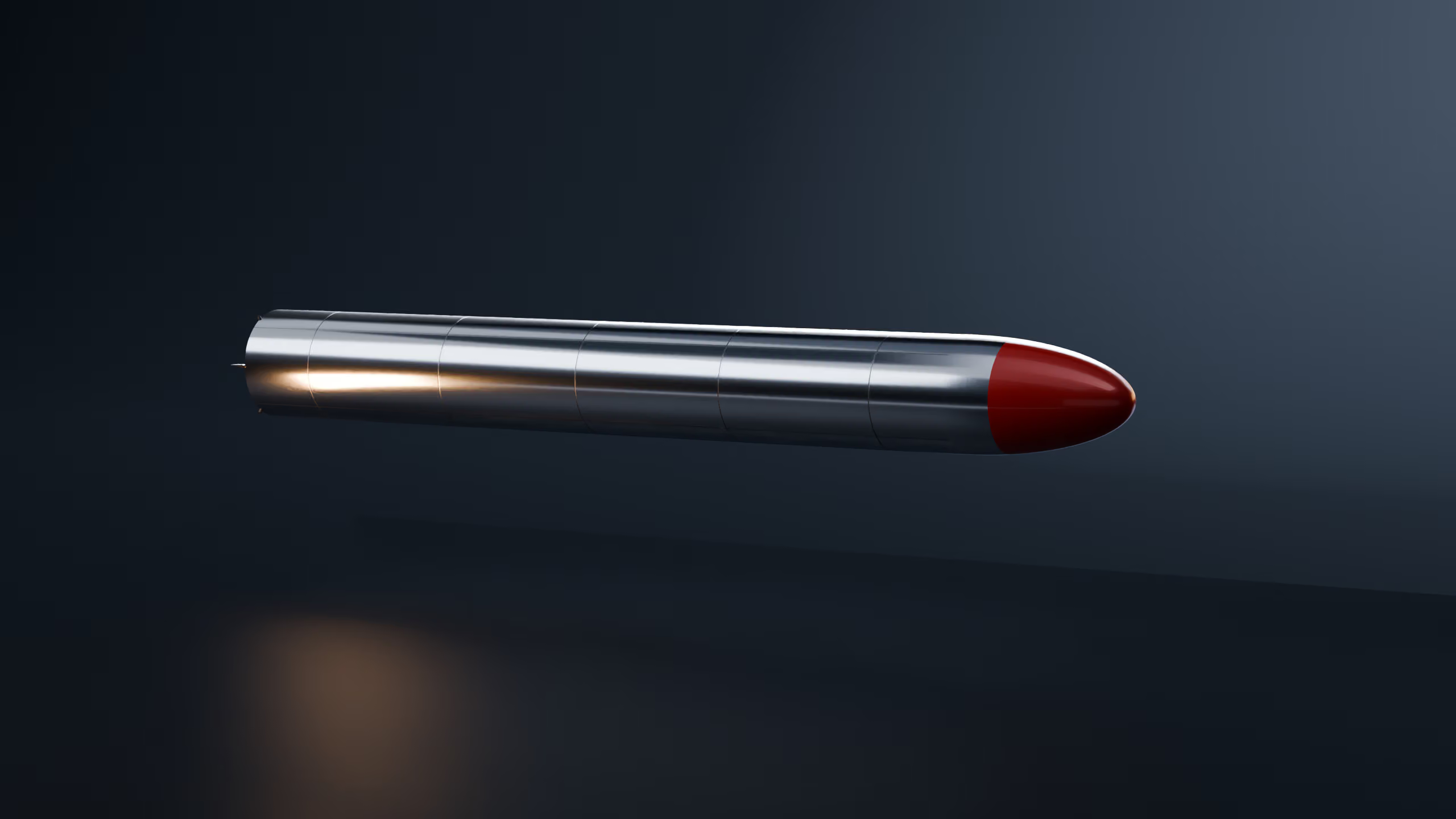
The Bee-SL upper stage coasts to its target orbit.
Schematic, not to scale. Release altitude, payload mass and target orbit: [ placeholder ] pending program definition. Concept renders, not test imagery.
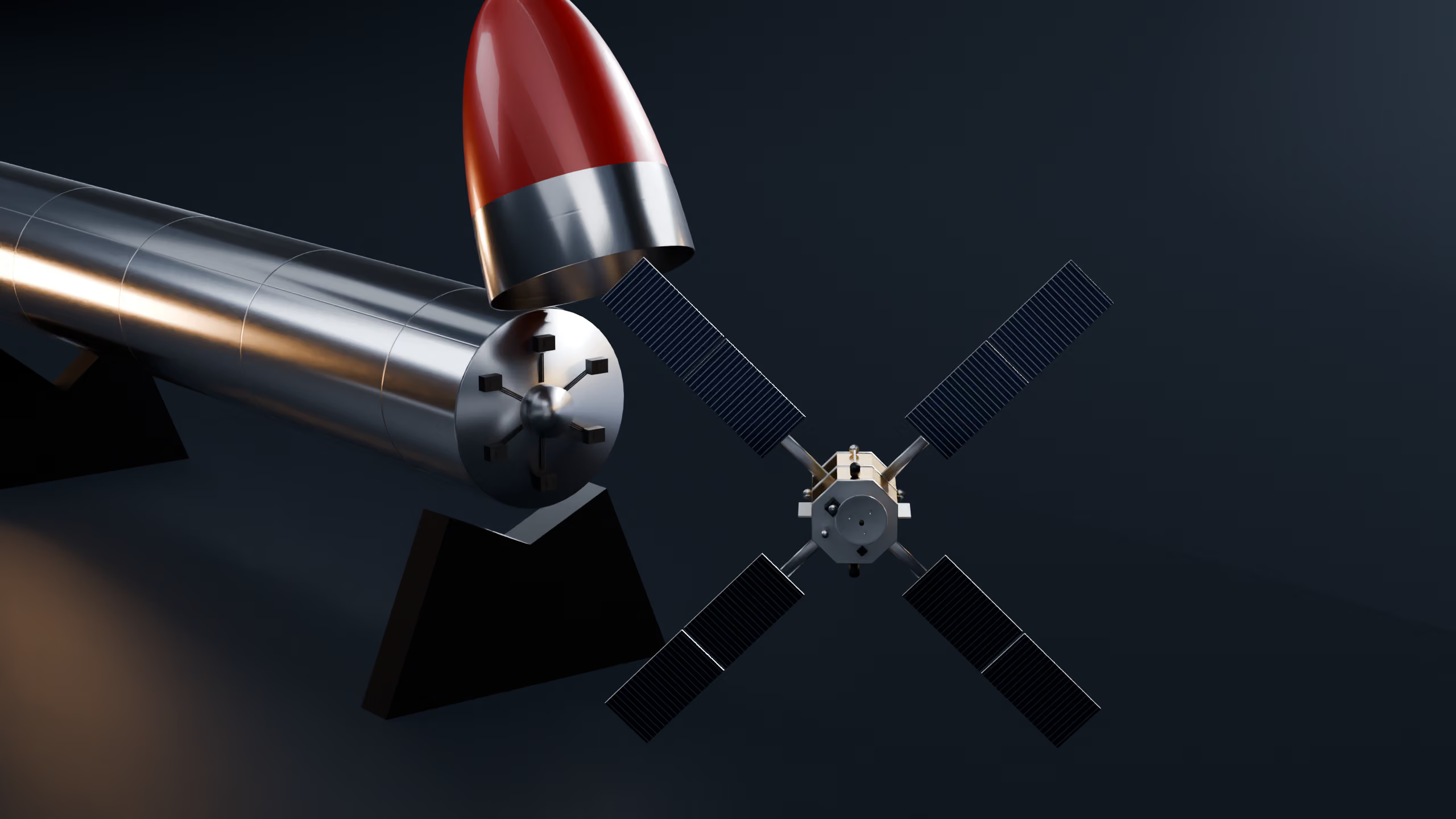
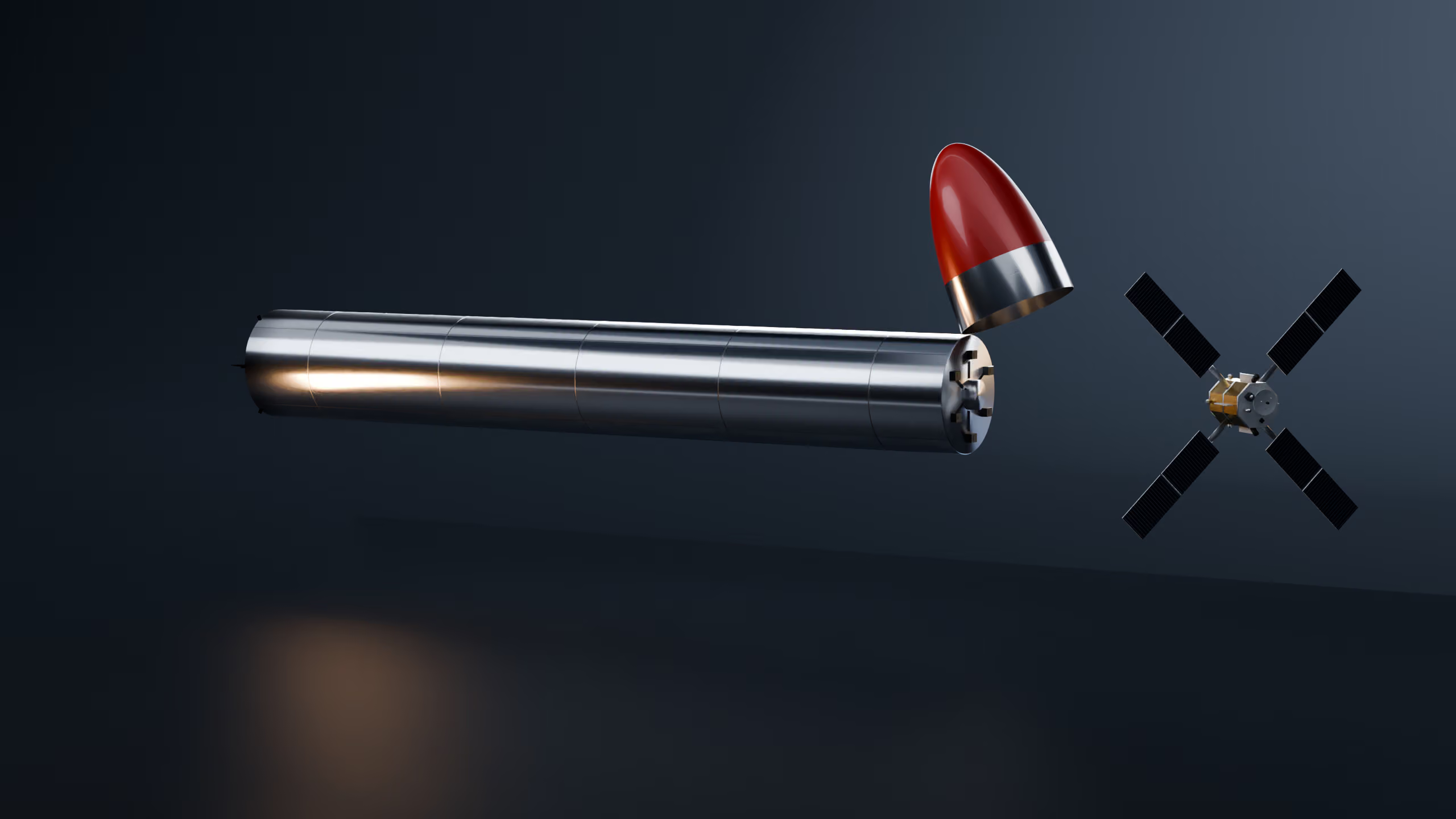
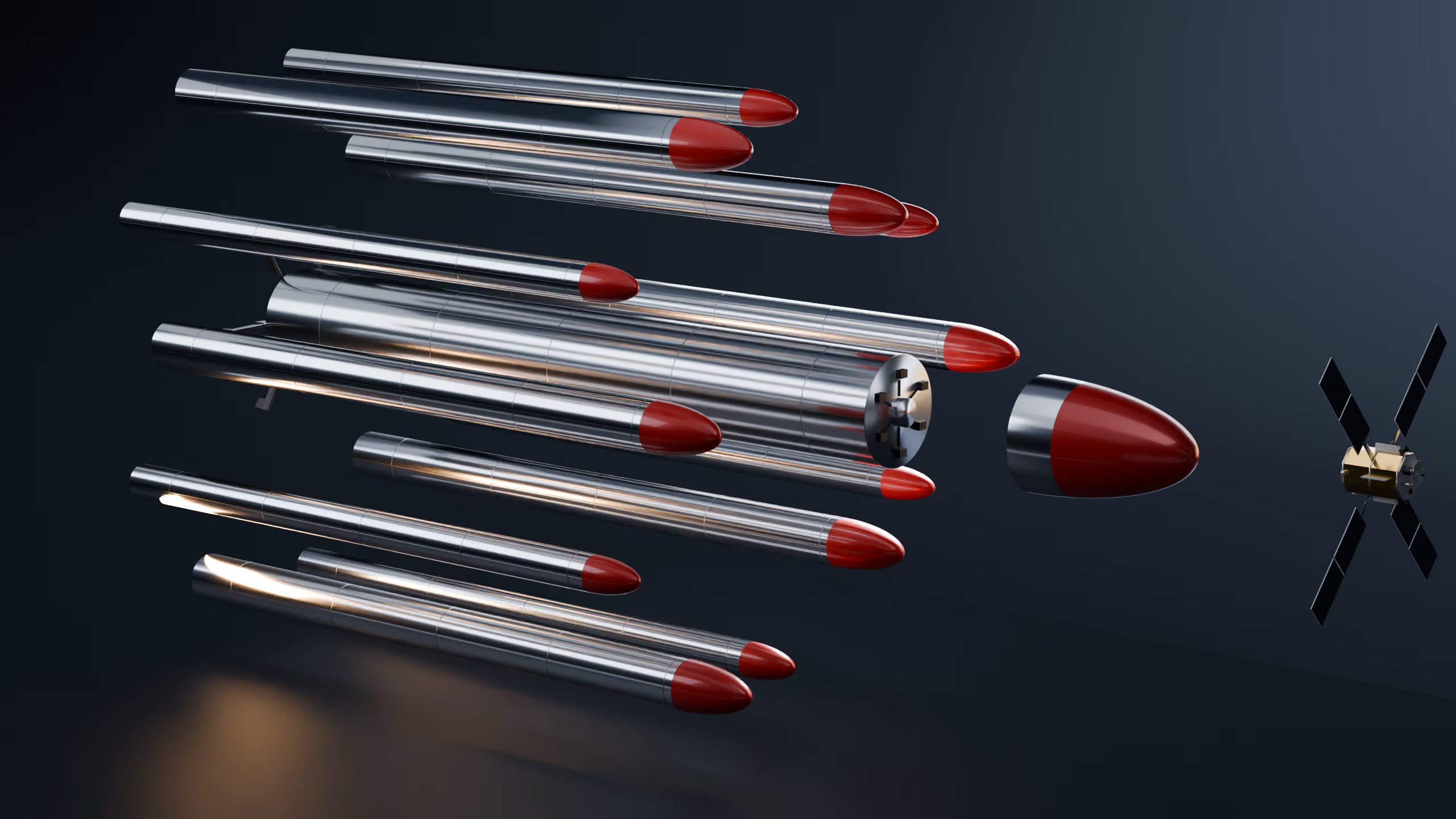
Once the spent cores fall away, the Bee-SL upper stage coasts to its target orbit. The fairing opens, the payload clears the stage, and the satellite is set free.
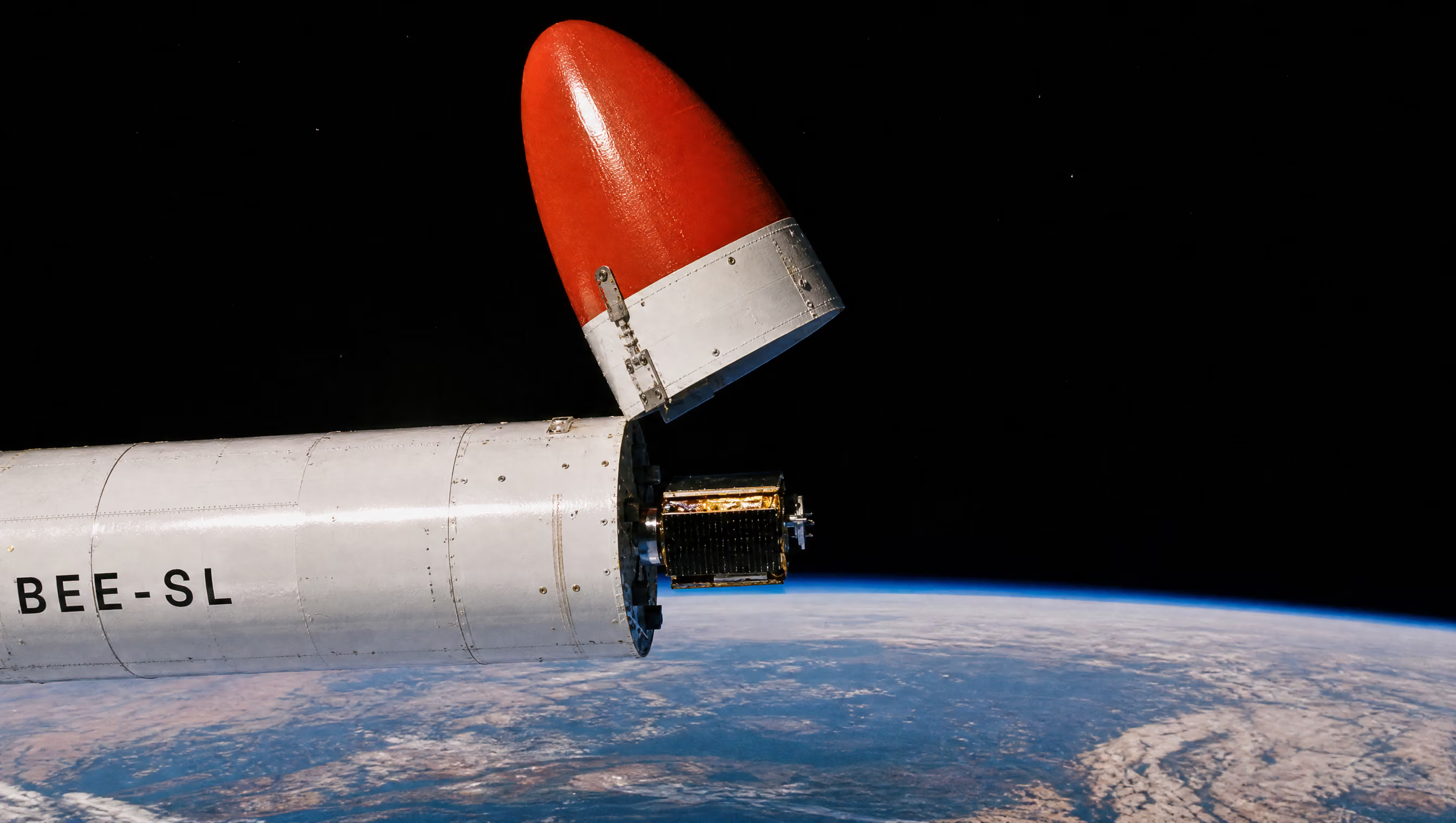
The nose fairing splits away and exposes the payload above the atmosphere.
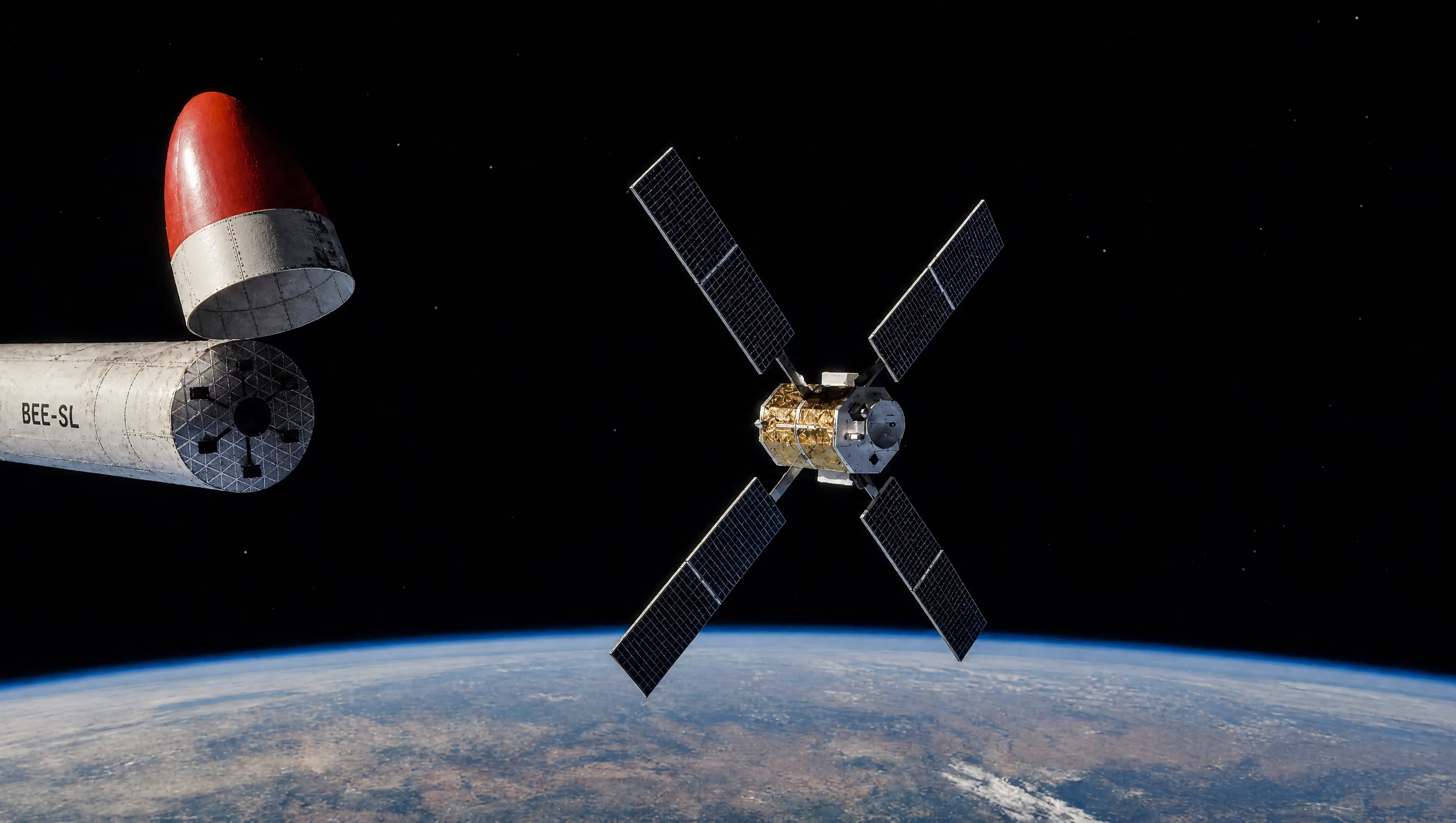
The satellite separates from the stage and begins its mission.


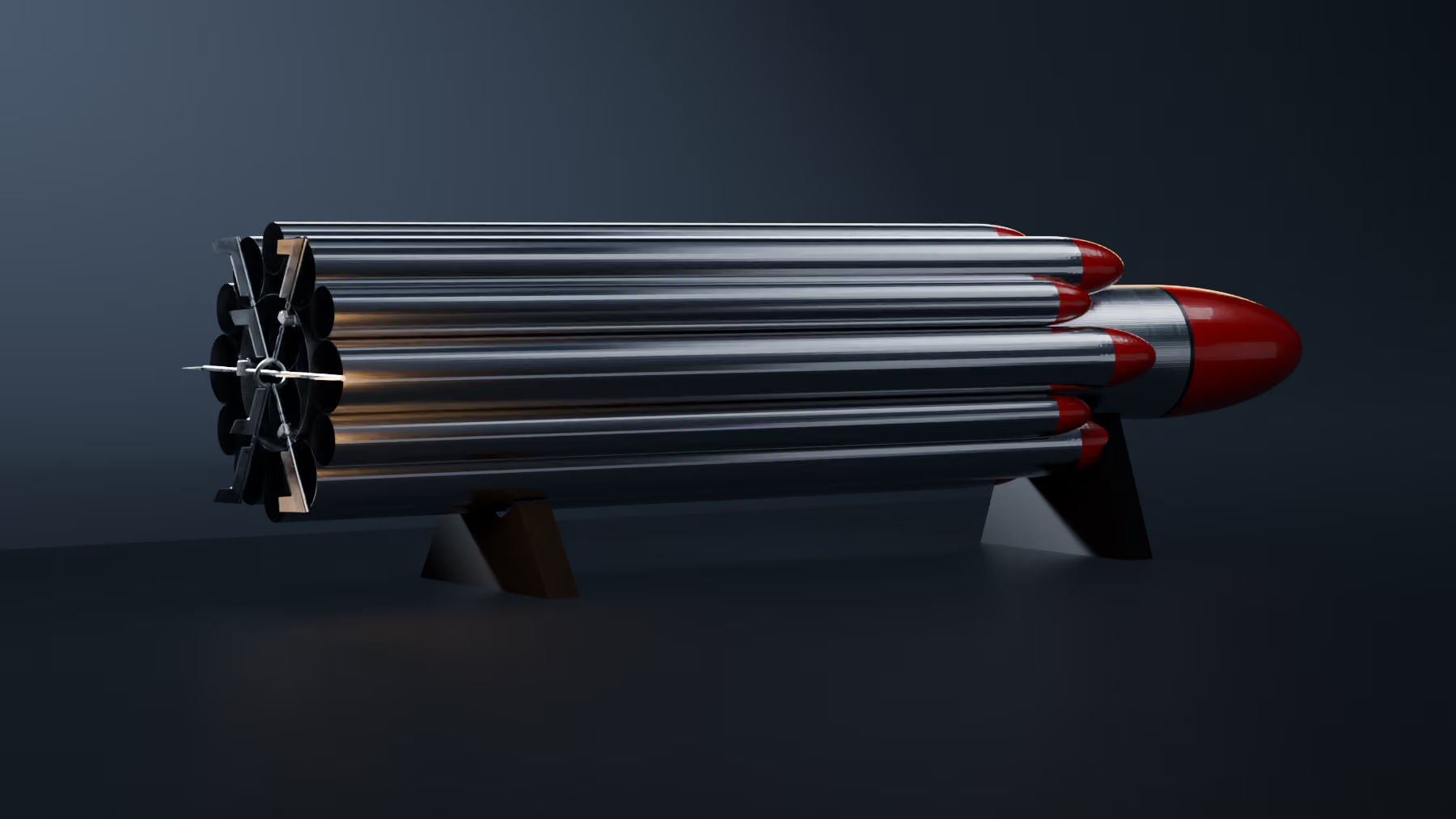
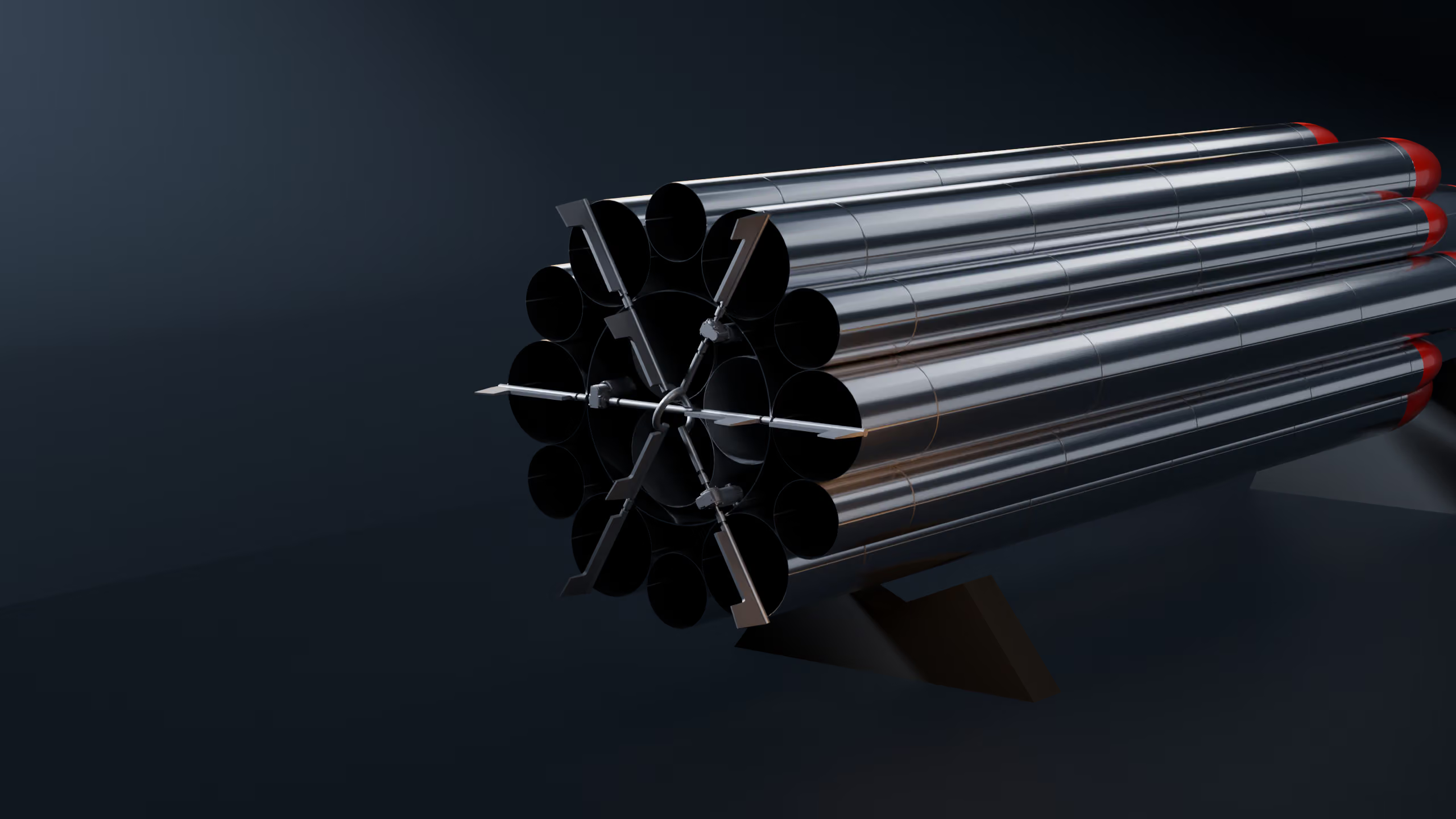
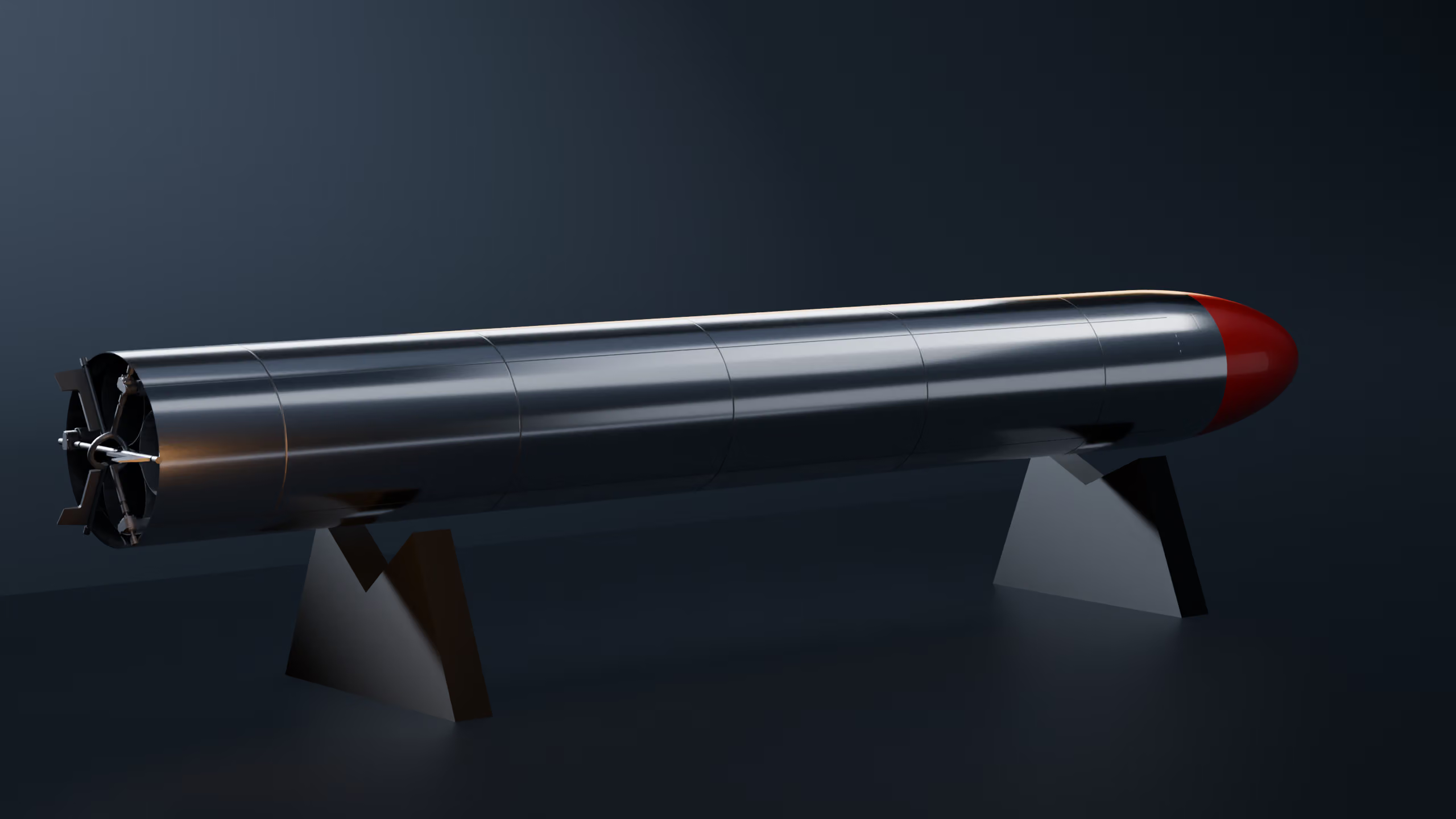
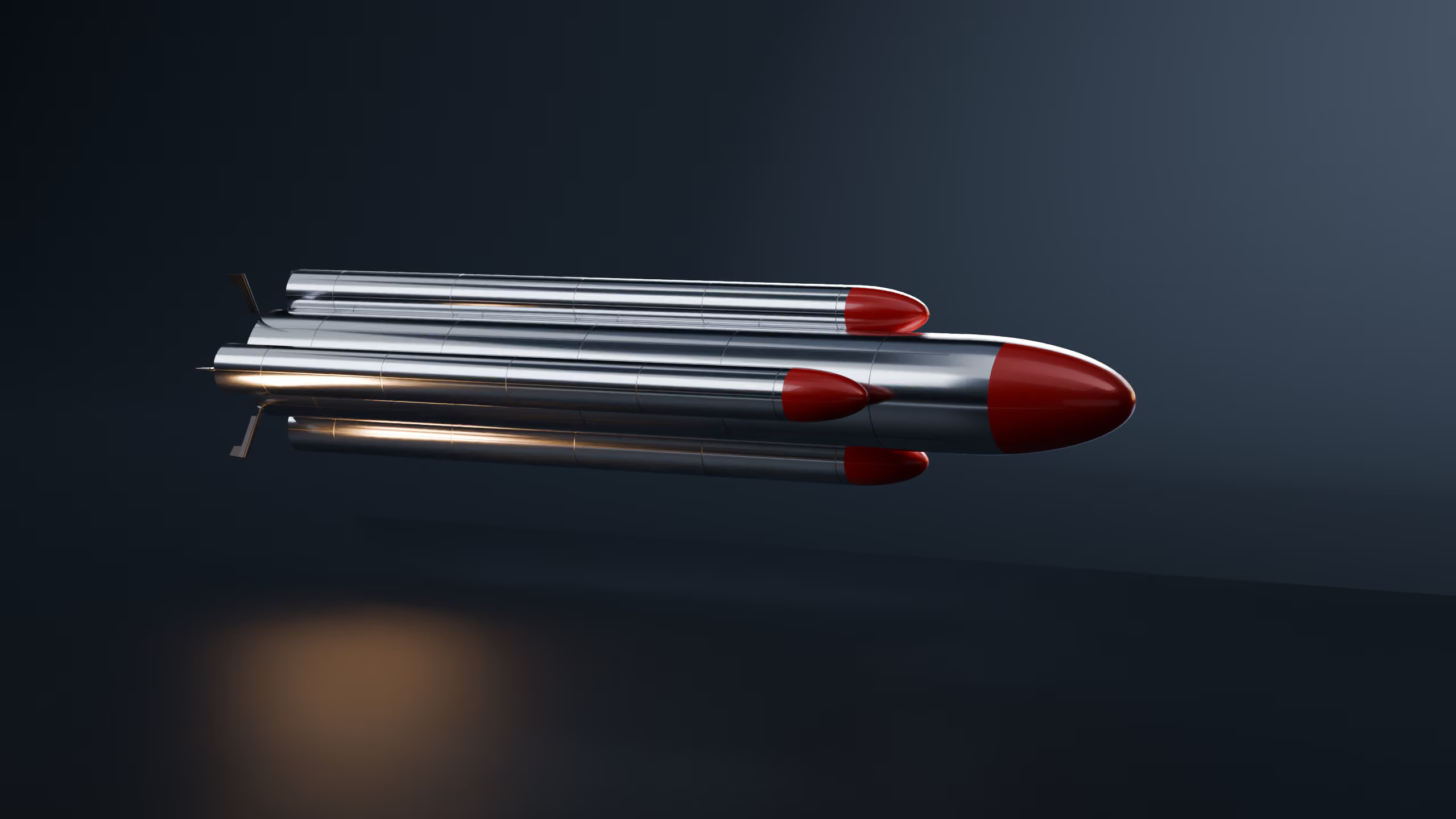
Bee-SL does not need a bespoke engine program. It is built from the same Bee cores as Bee-MX, bundled into one vehicle and fired together.
Every angle of the vehicle, and the order it comes apart on the way to orbit.
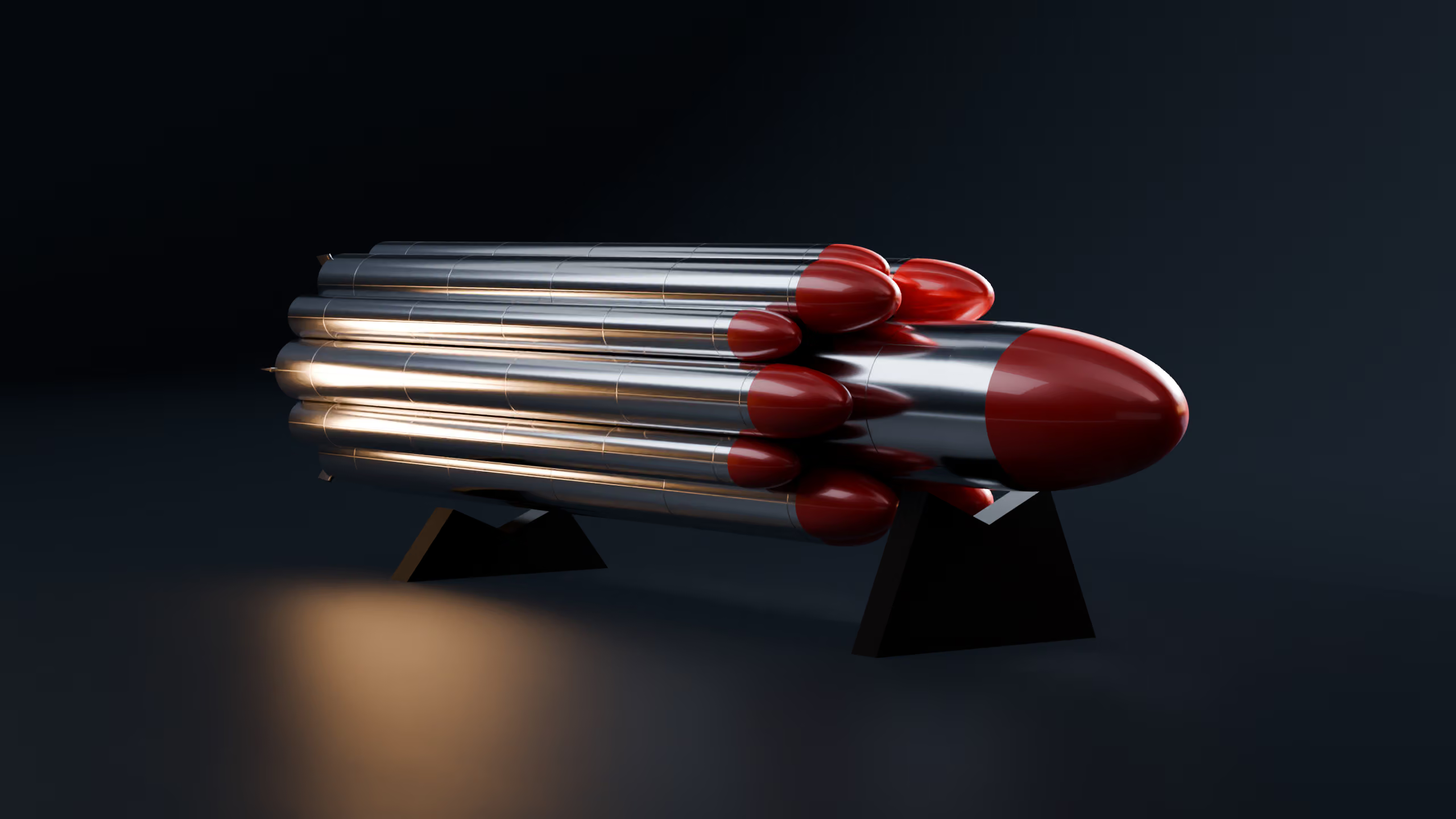

Detailed vehicle geometry, propulsion approach and program economics are shared under NDA with qualified government, launch-customer and prime-contractor partners.
Request the NDA data package →
Concept status, mission architecture and partnership questions, direct with the team. Detailed vehicle data is available under NDA to qualified government, launch-customer and prime-contractor partners.
Unclassified information only, please.
Fields marked with an asterisk (*) are required.